Blog

  • Futures Margin Explained – How Much Money Do You Really Need?

    Understanding futures margin explained is absolutely critical before you risk real money trading futures. Margin is the mechanism that allows you to control massive contracts worth thousands of dollars with just a few hundred in your account—but it’s also what can wipe out your entire position in minutes if you don’t manage it properly. This comprehensive guide breaks down how margin truly works, calculates exactly how much money you need to start trading safely, and shows you the critical distinctions between initial margin and maintenance margin that most beginners catastrophically misunderstand.
    Futures margin explained candlestick chart analysis trading
    Understanding margin requires mastering candlestick charts and price action analysis

    What Is Futures Margin? The Foundation of Understanding

    Futures margin explained starts with understanding that margin is not a loan—it’s a good-faith deposit that your broker holds as collateral. When you buy or sell a futures contract, your broker requires you to deposit a percentage of the contract’s total value as collateral. This margin ensures you have enough capital to cover potential losses if the market moves against your position significantly.

    Think of it like this: A single ES (E-mini S&P 500) contract controls approximately $163,700 worth of stock index value (at current S&P levels). You don’t pay $163,700 to trade it. Instead, you deposit only $3,000-4,000 in margin as collateral, giving you leverage of 40:1 or higher. This leverage is powerful—it amplifies both profits and losses dramatically, which is why margin management is literally the difference between successful trading and complete account destruction.

    For every $1 the ES moves against you, you lose $50 instantly (multiply point moves by $50 for ES contracts). Move 60 points against you with $3,000 initial margin, and you’ve lost $3,000 (100% of your margin immediately). This is why margin management isn’t optional—it’s the foundation of survival in futures trading.

    Initial Margin vs Maintenance Margin: The Critical Difference Beginners Miss

    Understanding futures margin explained properly requires knowing the two distinct and different types of margin requirements that brokers enforce ruthlessly:

    Initial Margin (IM) – Opening Your Position

    Initial margin is the amount you must deposit to open a brand new position. This is the minimum account balance required when you first buy or sell a futures contract. For ES, initial margin is typically $3,500-4,500 depending on your specific broker and current market volatility conditions.

    If you want to trade multiple contracts simultaneously, you need initial margin for each position. Trading two ES contracts simultaneously requires approximately $7,000-9,000 in total initial margin. Trading five contracts requires $17,500-22,500. Your broker won’t let you open positions if your account balance falls below the required initial margin.

    Maintenance Margin (MM) – Keeping Your Position Open

    Maintenance margin is purposefully lower than initial margin and represents the absolute minimum you must maintain in your account equity while holding a position. If your account equity drops below maintenance margin during the trading day, you’ll receive a margin call—you must immediately deposit more money or close positions to restore compliance.

    For ES, maintenance margin is typically $2,500-3,000 per contract. If you open a position with $4,000 initial margin and the market moves against you, losing $1,200, your account drops to $2,800 equity. You’re now below maintenance margin on that contract. Your broker issues a margin call: deposit cash immediately or close the position within hours.

    Failing to meet a margin call within the specified timeframe (usually 1-4 hours) results in your broker forcibly liquidating your position at whatever market prices are available—potentially locking in catastrophic losses on top of your already losing position.

    How Much Money Do You Actually Need? The Critical Math

    Calculating the true capital requirements for futures margin explained in practical terms requires understanding this absolutely essential formula:

    Minimum Account Size = (Initial Margin × Number of Contracts) + Recommended Drawdown Buffer (25-50% of initial margin)

    For one ES contract with $4,000 initial margin, the absolute technical minimum is $4,000 to open the position. But this is dangerously inadequate and will result in liquidation. A 2% adverse move against you ($3,250 loss) puts you below maintenance margin with zero cushion for slippage or bad execution.

    The professional standard that successful traders follow is:

    • $5,000-10,000 account: Trade ONE micro ES contract (MES, ~$1,000 initial margin) maximum
    • $25,000-50,000 account: Trade 1-2 full ES contracts safely with meaningful drawdown cushion
    • $50,000-100,000 account: Trade 2-3 ES contracts with realistic risk management and multiple position flexibility
    • $100,000+ account: Trade 3-5 ES contracts with proper position sizing and diversification across contracts

    These aren’t hard requirements—they’re evidence-based recommendations from traders who’ve survived 10+ year careers. Underfunded accounts consistently get liquidated when normal market variance hits. A 5-10% losing streak on an underfunded account triggers mandatory margin calls and forced liquidations. The same losing streak on a properly capitalized account is just a normal drawdown you can weather.

    Margin Requirements Vary Dramatically by Contract and Market Conditions

    Different futures contracts have significantly different margin requirements based on their inherent volatility and contract multiplier size:

    • Micro ES (MES): $1,000-1,200 initial margin (best for beginners)
    • Full ES Contract: $3,500-5,000 initial margin (standard day trader contract)
    • Micro Nasdaq (MNQ): $1,500-2,000 initial margin (high volatility)
    • Full NQ Contract: $6,000-8,000 initial margin (very high volatility)
    • Crude Oil (CL): $5,000-7,000 initial margin (volatile commodity)
    • Micro Crude (MCL): $1,200-1,500 initial margin (scalper-friendly)
    • Gold (GC): $4,000-6,000 initial margin (flight-to-safety volatile)
    • Treasury Bonds (ZB): $2,500-3,500 initial margin (lower volatility)

    Importantly, volatility automatically increases margin requirements overnight. During market crashes, earnings season uncertainty, or geopolitical shocks, your broker may increase initial margin 50-100% without warning. A $4,000 initial margin requirement becomes $8,000 during VIX spikes above 30. Be mentally prepared for this and always assume margin could double—plan conservatively.

    Understanding Margin Calls and Forced Liquidation Mechanics

    When you truly understand futures margin explained practically, you recognize the single biggest killer of new traders: margin calls and forced liquidation. Here’s exactly how this devastating scenario plays out:

    Scenario: You deposit $10,000 and open two ES contracts requiring $8,000 total initial margin. Your usable buying power remaining is $2,000. The market suddenly drops 60 points against you. You lose $6,000 ($50 per point × 120 points × 1 contract × 2 contracts), instantly dropping your account to $4,000.

    Maintenance margin for two ES contracts is approximately $5,000-6,000 combined. Your $4,000 account equity is now in violation. Your broker immediately issues a margin call: deposit $1,000-2,000+ immediately or close one contract. If you ignore the margin call for 2-4 hours (or it happens after hours), the broker force-liquidates one contract at whatever market prices exist—potentially during a dead market with terrible spreads where you take maximum slippage loss on top of your existing loss.

    This margin call scenario plays out thousands of times per day with underfunded traders. They had a normal 2-3% losing day and got liquidated despite still being right on their overall trading thesis. The position would have recovered if they could hold it, but inadequate margin forced them out at the worst prices.

    Futures trading margin profit growth upward arrow chart
    Proper margin management enables sustainable profit growth in futures trading

    Professional Trading Setup: Workspace, Tools, and Educational Resources

    Trading futures with proper margin discipline requires a professional workspace and setup. Quality equipment, books, and ergonomics reduce trading stress and prevent execution errors during critical margin pressure situations:

    The 👉 Trading in the Zone by Mark Douglas is essential psychological reading for understanding how to manage risk and emotions during margin pressure—the mental side of not over-leveraging when you’re winning.

    The 👉 Japanese Candlestick Charting Techniques by Steve Nison teaches you to read price action patterns that confirm entry/exit decisions, improving execution quality when margin is tight.

    The 👉 Technical Analysis of the Financial Markets by John Murphy is the comprehensive reference that professional traders use to understand the mechanics behind price moves and margin implications.

    Workspace Optimization for Margin Monitoring

    For serious traders with docked setups, the 👉 HUANUO Dual Monitor Stand creates stable multi-monitor setups essential for tracking positions, margin levels, and P&L simultaneously without switching windows.

    The 👉 BenQ GW2780 27 Inch IPS Monitor offers excellent clarity and color accuracy for reading charts, order windows, and critical margin level numbers without eye fatigue during 6+ hour trading sessions.

    For ultrawide setups with multiple charts, the 👉 Samsung Odyssey G5 34 Inch Ultrawide Monitor fits multiple charts, order windows, margin displays, and economic news tickers on a single screen without alt-tabbing.

    Ergonomic seating matters significantly when managing margin stress during volatile days. The 👉 Secretlab Titan Evo Ergonomic Chair reduces physical stress and lower back pain during extended volatile trading sessions where critical margin decisions matter most.

    For professional traders who need precision, the 👉 ASUS ProArt PA278QV 27 Inch Monitor provides factory-calibrated color accuracy for trading platform interface details and chart analysis precision.

    Margin Calculations: Real-World Examples That Illustrate the Difference

    Let’s work through detailed scenarios where futures margin explained becomes crystal clear about proper capitalization:

    Scenario 1: Underfunded Account (Catastrophic Risk)

    Account Size: $5,000
    Trade: One ES contract ($4,500 required initial margin)
    Available Cushion: $500

    Market moves against you 30 points: You lose $1,500 ($50 × 30 points). Account drops to $3,500. Maintenance margin is typically $3,000-3,500. You’re still technically above maintenance—barely. But a 40-point move puts you in direct violation.

    This trader cannot afford a normal drawdown without risk. A 3% losing day triggers a margin call within hours. This is unsustainable.

    Scenario 2: Properly Funded Account (Professional Standard)

    Account Size: $25,000
    Trade: Two ES contracts ($4,500 × 2 = $9,000 total initial margin)
    Available Cushion: $16,000

    Market moves against you 100 points: You lose $10,000 ($50 × 100 points × 1 contract × 2 contracts). Account drops to $15,000. Maintenance margin for two contracts is ~$6,000-7,000. You’re still significantly compliant with massive cushion remaining. Even a 200-point move is survivable without stress.

    This trader can handle normal variance without margin pressure. They trade the same contracts but with peace of mind and psychological control—which directly improves decision-making quality.
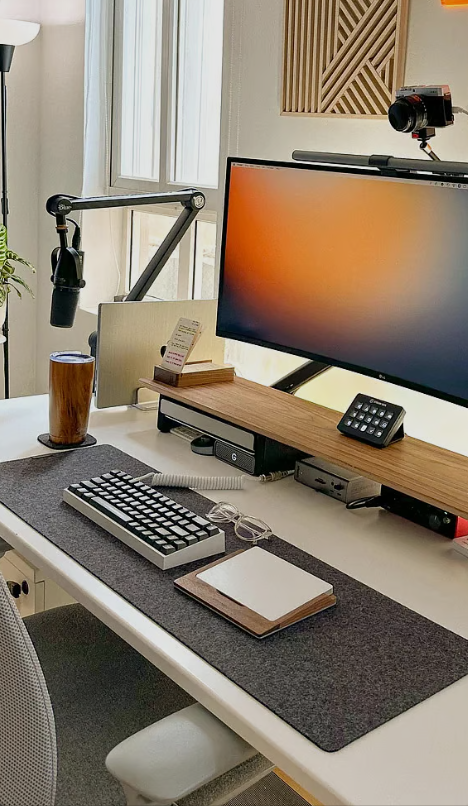
    Professional futures trading setup ultrawide monitor home office
    Professional trading workspace with ultrawide monitor for margin monitoring

    FAQ: Futures Margin Explained for Beginners

    Q: Can I trade futures without any margin requirement at all?

    No. Futures always require margin—it’s how the system works. Margin-free cash accounts don’t exist in futures markets. The minimum is initial margin for your position. Some brokers offer reduced-margin accounts for experienced traders, but margin is always required. It’s not negotiable.

    Q: What happens if I get margin called after market hours close?

    If the market moves against you during overnight trading and you drop below maintenance margin, your broker will liquidate your position when markets open the next day—potentially at the worst prices. Always maintain a meaningful cushion. Set alerts when you reach 50% of your maintenance margin cushion remaining.

    Q: Can I borrow money from my broker to add to margin during a margin call?

    No. You must deposit real money from your bank account or close positions. Brokers cannot lend you margin-on-margin or provide emergency funding. Your only options are deposit cash immediately or close positions to reduce margin usage.

    Q: How often do margin requirements change without warning?

    Daily. Especially during volatile markets. During market crashes or VIX spikes, your margin could increase 50-100% overnight. A $4,000 ES initial margin might become $8,000 during VIX spikes above 30. Always assume requirements can double instantly—plan accordingly with extra capital.

    Q: Are micro futures better for margin management as a beginner?

    Absolutely yes. MES ($1,000 margin) vs ES ($4,000 margin) lets you start with a smaller account safely. A $5,000 account can trade MES responsibly but not ES. Consider trading micros exclusively for your first 3-6 months while learning margin management principles.

    Related Futures Trading Resources

    Your understanding of futures margin explained is the absolute foundation of trading survival. Check these related guides:

    Final Thoughts: Proper Margin Management Equals Long-Term Survival

    Understanding futures margin explained thoroughly separates traders who last 10+ years from traders who blow accounts in weeks. The math is brutally simple: if your account capitalization doesn’t match your margin requirements with a meaningful cushion, you will get liquidated during normal market variance. It’s not a theoretical risk—it’s a mathematical certainty.

    Start with micro contracts, maintain at least $10,000-25,000 in your account, and understand that margin calls are not hypothetical dangers—they’re everyday realities for under-capitalized traders. Once you truly grasp margin mechanics at a deep level, you can trade with confidence knowing your capital is protected from forced liquidations and catastrophic losses.

    External Resources & Official References

  • Scalping Futures for Beginners – 1-Minute & 5-Minute Strategies

    Scalping futures is one of the fastest-paced and most adrenaline-fueled trading strategies available to active traders. If you’re looking for a way to potentially profit from small price movements throughout the trading day, understanding scalping futures beginners strategies is your first step toward mastering ultra-short-term trading. This comprehensive guide breaks down what scalping is, explores proven 1-minute and 5-minute strategies, and provides the exact tools and risk management rules you need to start scalping futures with confidence and discipline.

    Scalping futures beginners strategies candlestick chart trading
    Candlestick charts are the foundation for identifying scalping entry and exit points

    What Is Futures Scalping?

    Scalping futures beginners strategies center on a simple concept: capture small price movements (pips or ticks) across many trades throughout the trading day. Unlike swing traders who hold positions for hours or days, scalpers hold trades for seconds to minutes, targeting profits of $5-$50 per contract depending on contract size. The goal is consistency and frequency over large individual wins—it’s a quantity game, not a home-run game.

    Futures scalping requires specific market conditions to succeed:

    • High liquidity: You need massive trading volume so you can enter and exit instantly at tight bid-ask spreads without slippage
    • High volatility: Price movement is essential—stagnant markets offer no scalping opportunities and waste your time
    • Speed: Trading technology must be lightning-fast, from order execution to chart updates and fill confirmations
    • Discipline: Scalpers follow strict rules and exit immediately when conditions change, with zero deviation
    • Risk management: Tight stop-losses are mandatory because holding losers isn’t an option and adds pressure

    The micro-contract futures (ES, MES, NQ, MNQ) introduced in recent years have made futures scalping accessible to traders with smaller accounts. You no longer need $25,000+ to day trade—you can start with a few thousand and scale up gradually as you prove consistent profitability. This democratization has opened scalping to serious part-time and full-time traders.

    The 1-Minute Scalping Strategy

    The 1-minute chart is the holy grail for ultra-aggressive scalpers seeking maximum trade frequency. Every candle represents one minute of trading action, allowing you to capture lightning-quick moves and potentially execute 20-50 trades per hour. Here’s how to structure a professional scalping futures beginners approach on the 1-minute timeframe:

    Setup and Entry Rules

    Your 1-minute scalping setup requires three elements working in concert: a primary 1-minute chart for entry signals, a 5-minute chart for confirmation, and a 15-minute chart for broader trend context. This multi-timeframe approach prevents you from fighting larger moves. Never scalp against the 15-minute trend—always trade in the direction of the larger timeframe bias, and you’ll see dramatic improvements in win rates.

    Entry signals come from several high-probability setups:

    • Bollinger Band squeeze: When bands compress tight, expect a volatility breakout soon. Scalp the first candle that breaks the bands in either direction.
    • Moving average crosses: 9-period and 21-period MA crossover on the 1-minute chart signals momentum shifts and confirms new trends.
    • Volume spike: A volume bar 2-3x the average suggests institutional interest entering. Scalp in that direction immediately.
    • Rejection candles: Wicks touching support/resistance that fail to break signal upcoming reversals and price exhaustion.

    The key to successful scalping futures beginners strategies is recognizing these patterns instantly and executing within seconds. Slow decisions cost you the trade—by the time you process information, the move is already halfway done.

    Exit Rules for 1-Minute Scalps

    Exit immediately when any of these conditions trigger:

    • Price reaches your target (typically 2-5 ticks on micro contracts)
    • Your stop-loss is hit (maximum 2-3 tick loss per trade, no negotiation)
    • A candle closes below your entry on the 1-minute chart
    • Volume dries up suddenly, indicating institutional interest disappearing

    The worst mistake beginners make is “hoping” a trade turns profitable after going against them. Scalping requires mechanical execution—if your rules say exit, you exit immediately, period. No exceptions, no excuses, no emotion. This discipline is what separates profitable scalpers from broken traders.

    The 5-Minute Scalping Strategy

    The 5-minute timeframe is the sweet spot for beginners learning scalping futures beginners strategies. It’s still fast-paced but less hectic than 1-minute scalping, giving you genuine time to think clearly and process information while maintaining the speed advantage over position traders who move slowly.

    5-Minute Setup and Indicators

    On the 5-minute chart, combine price action analysis with technical indicators for confirmation:

    • RSI (Relative Strength Index): Buy when RSI bounces from oversold (<30), sell when it falls from overbought (>70) extremes
    • MACD: Trade histogram crosses for momentum confirmation and trend changes
    • Moving averages: 20-period and 50-period MAs define dynamic support/resistance levels
    • Volume analysis: High-volume breakouts on 5-minute bars hold significantly more weight than 1-minute noise

    5-Minute Entry Signals

    Trade setups that work best on 5-minute charts include:

    • Support/resistance bounces: Wait for a test of key levels, then enter when price reverses above support or below resistance
    • Trend continuation: After a pullback in an uptrend, buy the retest of the previous high with volume confirmation
    • Breakout trades: When price breaks above a 5-candle high on high volume, scalp the continuation move that follows
    • Reversal setups: Hidden divergences on RSI signal trend exhaustion and potential reversals coming

    5-Minute Targets and Stops

    On 5-minute scalps, your risk-reward ratio should be at least 1:2 to ensure long-term profitability. Risk 3-5 ticks to make 6-10 ticks minimum. This keeps your math simple and ensures profitable trades offset your losses effectively. Most profitable 5-minute scalpers take 10-20 trades per day and aim for a 55-60% win rate—that’s plenty for profitability when risk-reward is managed correctly and consistently.

    Best Indicators for Futures Scalping

    Not all indicators are created equal for scalping futures beginners strategies. The best indicators for scalping are simple, fast, and minimally lagging:

    • Bollinger Bands: Squeeze/breakout detection without generating excessive false signals
    • RSI: Overbought/oversold extremes signal potential reversals and trend exhaustion clearly
    • MACD: Histogram crosses confirm momentum shifts with reliability over many trades
    • Moving averages: 9, 20, and 50-period MAs provide dynamic support/resistance levels
    • Volume: Not an indicator, but the single most important confirmation signal for all entries

    Avoid complex indicators like Stochastic RSI, Ichimoku, or anything with multiple parameters that require constant tweaking. Scalping profits come from speed and simplicity, not fancy technical analysis tools.

    Risk Management for Futures Scalpers

    Risk management isn’t optional for scalpers—it’s the difference between a profitable career and a blown-up account. Here are the iron-clad rules every beginner scalper must follow without exception:

    Position Sizing Fundamentals

    Start with ONE micro-contract per trade. MES, MNQ, and other micro contracts let you risk just $50-100 per trade while learning the ropes. As you prove consistent profitability over 3+ months, scale to 2-3 contracts, then larger sizes as confidence builds.

    Never risk more than 1-2% of your account on a single trade. If your account is $10,000, your maximum loss per trade is $100-200. This ensures 50 losing trades won’t destroy your capital, and you’ll still have money to recover.

    Stop-Loss Rules You Cannot Break

    Your stop-loss must be set BEFORE you enter the trade—never afterwards. On 1-minute scalps, max stop is 2-3 ticks absolute maximum. On 5-minute scalps, max stop is 5-10 ticks depending on current market volatility conditions. These hard stops protect you from catastrophic losses that derail your trading year.

    Daily Loss Limits and Walking Away

    If you lose 3 trades in a row, STOP TRADING immediately. If you’ve lost $500 today (5% of a $10K account), close your trading platform and review your trades objectively. Emotional trading after losses is the fastest way to turn a small loss into an account wipeout.

    A simple psychological rule: After 3 consecutive losses, you’re no longer in an optimal mindset. Your judgment is impaired and your emotions are running high. Walk away. Your trading opportunities will still be there tomorrow when you’re fresh and clear-headed.

    Futures scalping profit growth strategy upward trend
    Consistent scalping executes disciplined trades that compound into significant gains

    Essential Equipment and Setup for Scalping Success

    Professional traders understand that equipment quality directly impacts profitability and execution speed. When scalping, every millisecond matters and compounds over hundreds of trades. Here’s what successful scalpers invest in to gain competitive advantage:

    Monitor Setup and Display Technology

    Most scalpers use dual monitors to maximize information visibility and reduce context switching delays. Use a 👉 Check Price on Amazon to mount them securely and position them ergonomically for optimal viewing during all-day trading sessions without neck strain.

    For your primary trading monitor, the 👉 Check Price on Amazon offers clean visuals and fast response times that don’t introduce lag. If you want maximum screen real estate for multi-chart analysis, the 👉 Check Price on Amazon ultrawide monitor is the ideal choice—you can track ES, NQ, and GC futures simultaneously without switching windows constantly.

    Professional traders often use specialized trading monitors like the 👉 Check Price on Amazon designed specifically for color-accurate charts and trading platform interfaces with minimal eye strain.

    Ergonomic Seating for Extended Trading Days

    You’ll be sitting for 6+ hours during market hours—from 9:30 AM through 4:00 PM EST with minimal breaks. A cheap office chair will destroy your back, reduce your focus, and create physical pain that clouds your judgment. The 👉 Check Price on Amazon is the gold standard for day traders and content creators—adjustable lumbar support, tilt locks, and premium materials keep you comfortable during marathon sessions.

    Education and Strategy References

    Learning directly from proven traders accelerates your success dramatically. Three essential books every scalper should read:

    The 👉 Trading in the Zone book covers the psychology of trading—understanding your mindset is critical for maintaining discipline and managing emotions during scalping.

    The 👉 Japanese Candlestick Charting guide teaches you to read candlesticks like a professional—essential for recognizing scalping patterns instantly in real-time.

    The 👉 Technical Analysis by Murphy is the bible of technical analysis—every chart pattern, indicator, and strategy is covered comprehensively.

    Common Mistakes Scalping Beginners Make

    Understanding what NOT to do is often more valuable than knowing what to do. Here are the five biggest mistakes that ruin beginner scalpers and blow up their accounts:

    • Trading against the trend: The 15-minute chart is your friend and filter. Never scalp against the larger trend—you’ll lose consistently.
    • Over-trading: Just because you CAN take a trade doesn’t mean you SHOULD. Wait for high-probability setups with all confirmation signals.
    • Holding losers: Your stop-loss is sacred. Hit it immediately—no exceptions, no excuses, no hope that it will turn around.
    • Revenge trading: After a loss, your judgment is severely impaired. Take a break before re-entering the market.
    • Ignoring volume: Low-volume moves are fake-outs and bull traps. Always confirm with volume analysis.

    FAQ: Scalping Futures for Beginners

    Q: How much money do I need to start scalping futures?

    The minimum to scalp micro-contracts (MES, MNQ) is $3,000-5,000 with a good futures broker. This gives you enough capital to risk $50-100 per trade without violating the Pattern Day Trading rule. Traders with less capital should practice on a simulator first for 4-6 weeks.

    Q: Is scalping futures profitable?

    Yes, but only if you follow strict rules and accept that profitability takes time to develop. Expect to lose money for the first 3-6 months while learning your edge. Once you find your specific setup that works, scaling becomes profitable. Average profitable scalpers make $100-500 per day on micro-contracts.

    Q: Which futures contract is best for beginners to scalp?

    MES (S&P 500 mini) is the most liquid and beginner-friendly. NQ (Nasdaq) is more volatile but also more profitable if you can handle the swings. Start with MES, then graduate to NQ after 3 months of consistent profitability.

    Q: How many hours per day do scalpers trade?

    Most scalpers trade 9:30 AM to 12:00 PM EST when volatility and liquidity are highest. Some trade the entire session until 4:00 PM, but most find their best setups in the morning hours. High-frequency scalpers might average 20-30 trades per day.

    Q: What’s the difference between scalping and day trading?

    Scalping is a subset of day trading. All scalpers are day traders, but not all day traders are scalpers. The key difference is holding time—scalpers hold for seconds to minutes, while day traders hold for minutes to hours before exiting.

    Related Resources for Futures Traders

    Building expertise in scalping futures beginners strategies requires understanding the broader context of futures trading. Check these related guides to deepen your knowledge:

    Final Thoughts: Start Small, Think Long-Term

    Futures scalping is exciting, fast-paced, and potentially profitable—but it’s also the fastest way to lose money if you skip the learning phase and proper preparation. The traders who succeed at scalping futures beginners strategies are those who:

    • Start with micro-contracts and ONE contract per trade, period
    • Follow a mechanical trading plan without exception or deviation
    • Risk only 1-2% per trade and honor stop-losses religiously
    • Practice on a simulator for 2-4 weeks before risking real money
    • Track every trade in a detailed journal to identify patterns
    • Focus on consistency over home-run trades and big profits

    The futures markets reward discipline, patience, and risk management above all else. Master these three core elements, and you’ll be profitable. Ignore them, and you’ll join the 90% of traders who fail within one year. Choose your path wisely.

    External Resources for Further Learning

  • Best Time to Trade ES Futures – Market Hours & Session Guide

    Best Time to Trade ES Futures – Market Hours & Session Guide

    Best Time to Trade ES Futures – Market Hours & Session Guide

    Successful ES futures trading isn’t just about identifying profitable setups—it’s about trading those setups during the optimal times when liquidity and volatility align with your trading strategy. Understanding the best time to trade ES futures dramatically improves your win rate and profit potential. This comprehensive guide covers market hours, session-specific volatility patterns, and the best time to trade ES futures for different trading styles and strategies.

    ES futures trading hours market session timing 2025
    Understanding ES futures market hours and sessions optimizes your trading timing

    Understanding ES Futures Market Hours

    ES (E-mini S&P 500) futures trade nearly 24 hours daily from Sunday 5:00 PM ET through Friday 4:00 PM ET, with brief halts daily from 4:00 PM-5:00 PM ET for contract rollover. However, the majority of volume and liquidity concentrate during specific sessions—not all hours are equally viable for profitable trading. Understanding these sessions is fundamental to timing trades optimally.

    Regular Trading Hours (RTH): 9:30 AM – 4:00 PM ET Monday-Friday. This is when the underlying S&P 500 stock market index is open, creating the tightest bid-ask spreads (as little as 0.25 points) and highest volume (typically 8-12 million shares daily). Most ES contracts trade during these hours—approximately 70% of daily volume. Price discovery happens here—economic data, earnings announcements, corporate news, and macroeconomic developments affect prices most significantly. Institutional traders operate during RTH, creating the volume and liquidity that retail traders depend on.

    Pre-Market (Globex): 5:00 PM – 9:30 AM ET. The overnight session sees substantially lower volume than regular hours—typically 20-30% of RTH volume. Spreads widen significantly, meaning entry and exit prices are less favorable (1-2 points vs. 0.25-0.5 points during RTH). However, overnight news and international market movements create price gaps at the RTH open—opportunities and risks for prepared traders. Asian and European market opens drive overnight price action, creating directional bias that often persists into US market open.

    After-Hours (Globex): 4:00 PM – 5:00 PM ET. A transition period between RTH close and overnight session open. Volume is moderate—better than late-night trading but substantially worse than RTH. Price often consolidates after RTH close or reverses sharply on afternoon news. This period is critical for understanding overnight sentiment—rallies suggest overnight confidence; sells-offs suggest overnight pessimism.

    Best time ES futures trading market hours growth
    Trading during optimal market hours maximizes profitability and liquidity

    Regular Trading Hours: The Best Time for Most Traders

    RTH (9:30 AM – 4:00 PM ET) is the best time to trade ES futures for most traders because volume is highest, spreads are tightest, and liquidity is most reliable. Institutional traders operate during these hours, creating the price movement day traders seek. The combination of high volume, tight spreads, and reliable liquidity makes RTH ideal for position entry and exit with minimal slippage. Most retail traders should focus entirely on RTH until they’ve proven consistent profitability in this environment.

    Opening Hour (9:30 AM – 10:30 AM ET): Often the most volatile period as overnight news and gap fills trigger sharp directional moves. High volatility creates opportunities for large-range trades—50-200 point moves are common—but also increases risk of adverse fills and whipsaw stops. Breakout strategies excel during opening hours because price often makes decisive moves early establishing daily direction, then consolidates later as traders adjust positions. However, opening volatility can be chaotic and unpredictable—stops get hit frequently as initial moves reverse or fail to sustain. Experienced traders view opening hours as highest-risk, highest-reward and adjust position sizing accordingly. Beginners often struggle with opening hour volatility—consider starting with later sessions until you’ve developed skill managing wide price swings.

    Mid-Day Hours (10:30 AM – 3:00 PM ET): Generally calmer than opening hours with moderate, predictable volatility. News releases around 10:00 AM ET (economic data) or 2:00 PM ET (Fed announcements) can spike volatility temporarily but generally settle quickly. Mid-day is ideal for range-bound traders identifying intraday support and resistance levels, executing mean reversion trades (buying dips, shorting rallies within established range), and avoiding the opening chaos. Risk is moderate and more predictable, allowing precise position sizing based on recent volatility measurements. Most profitability for retail traders occurs during mid-day hours when volatility is optimal for technical analysis.

    Closing Hour (3:00 PM – 4:00 PM ET): Volume remains high as institutional traders close positions ahead of 4:00 PM ET market close and overnight exposure. Price often shows directional bias related to daily performance—rallies late if cumulative gains motivate buy-to-close orders, sells off aggressively if losses spur sell-to-close orders. The final 30 minutes (3:30 PM – 4:00 PM) can be frenzied as fund managers finalize daily positioning. Closing hour volatility suits aggressive breakout traders but can reverse sharply on late-day news—last-minute reversals and whipsaws are common. Conservative traders avoid the final 30 minutes due to unpredictability, while aggressive traders exploit the chaos intentionally.

    Pre-Market Trading: Opportunity and Risk

    Pre-market (5:00 PM – 9:30 AM ET) offers opportunities missed-by day traders but requires discipline and risk management adjustment for the volatile, lower-liquidity environment.

    Asian Session (5:00 PM – 11:00 PM ET): International markets open—Tokyo stock exchange, Hong Kong markets, European indices begin. These create price movement in ES as institutions react to overnight developments. Volume is moderate. Spreads widen compared to RTH but remain reasonable. Traders comfortable with technical analysis of overnight price structure find opportunities here.

    European Session (11:00 PM – 4:00 AM ET): London and European markets peak activity. This session often sees the most volatility of pre-market hours as major European indices trade. Large institutional orders move price significantly. Economic news from Europe can trigger sharp ES moves. Volume is decent but spreads widen further than Asian hours. This is the sweet spot of pre-market trading for sophisticated traders.

    Early US Pre-Market (4:00 AM – 9:30 AM ET): As 4:00 AM approaches, US participation increases. Traders anticipate US economic news and market open. Volatility often accelerates into the 9:30 AM open. Volume remains below RTH levels, but improving. Spreads are still wider than RTH. The last 30 minutes before 9:30 AM open often sees sharp moves as overnight news settles and open is established.

    Improve ES trading productivity market timing strategy
    Session selection improves trading discipline and consistency

    Building Your Trading Setup for Session Monitoring

    Trading different sessions profitably requires real-time monitoring of price action and economic data. A quality dual-monitor setup enables simultaneous viewing of multiple timeframes and supporting data. The 👉 HUANUO Dual Monitor Stand positions two monitors side-by-side, perfect for monitoring ES charts on one screen while tracking economic calendars and news feeds on another.

    For enhanced clarity during extended trading sessions, the 👉 BenQ GW2780 27 Inch IPS Monitor provides excellent color accuracy and reduced eye strain. For those preferring ultrawide format, the 👉 Samsung Odyssey G5 34 Inch Ultrawide Monitor enables multiple chart windows and data feeds on single display without bezels interrupting analysis.

    Comfort during long trading hours prevents fatigue-induced errors. The 👉 Secretlab Titan Evo Ergonomic Chair supports 8-hour trading sessions without back pain, critical for maintaining focus and discipline. Add the 👉 ASUS ProArt PA278QV 27 Inch Monitor as secondary display for news feeds, calendar, or additional chart timeframes.

    Professional trading setup monitor ES futures timing
    Professional trading workspace enables monitoring multiple sessions simultaneously

    Economic News and Catalysts: Timing Your Trading Strategy

    Understanding economic event timing optimizes your trading approach dramatically. The Federal Reserve announces policy decisions at 2:00 PM ET on scheduled dates—ES typically moves 50-300+ points following Fed announcements, creating profitable opportunities for prepared traders. Employment data releases at 8:30 AM ET on the first Friday of each month, often causing 100+ point moves. Consumer Price Index (CPI) and Producer Price Index (PPI) releases at 8:30 AM ET create similar volatility. These predictable events create opportunities for traders prepared with technical analysis and disciplined risk management plans. However, unprepared traders often suffer losses—understanding which news matters and how markets typically respond is essential.

    Pre-News vs. Post-News Trading: Many traders avoid trading in the 15 minutes immediately before major news, anticipating whipsaw volatility and unfavorable fills. Others exploit the chaos intentionally, using wide stops to capture large moves. Know your strategy—whether you trade news breakouts or avoid them during volatile periods—then execute consistently. Indecision creates losses; conviction generates profits. Your position size and stop-loss placement should reflect whether you’re trading or avoiding news events.

    Seasonal Patterns: Market behavior varies seasonally in predictable ways. September and October historically see higher volatility due to institutional rebalancing and summer position unwinding. January sees optimistic positioning and strong rallies statistically. Summer months (June-July) often see reduced volume as traders vacation, creating wider spreads and less reliable setups. Year-end (November-December) sees tactical positioning ahead of new year. These macro patterns don’t dictate daily trading outcomes but measurably influence session characteristics and volatility expectations.

    Leveraging Technical Analysis for Session-Specific Trading

    Understanding candlestick patterns and price structure enables better session timing. 👉 Japanese Candlestick Charting Techniques by Steve Nison teaches pattern recognition that works across all trading sessions. 👉 Technical Analysis of the Financial Markets by John Murphy provides framework for analyzing multiple timeframes simultaneously—critical for understanding how daily patterns align with intraday price action.

    Session Opening Analysis: Review overnight price movement before each RTH session begins. Did price gap up or down? Where did overnight support/resistance form? This context determines optimal opening-hour strategies. Gaps often fade partially—creating fade opportunities—or sustain, creating breakout opportunities.

    Intraday Structure: Identify intraday support and resistance levels by analyzing the previous day’s price action and current session’s opening range. Trading these levels has proven edge—most ES moves within these structures, creating reversion opportunities when price tests levels.

    Psychological Challenges and Best Practices

    Trading best times means trading volatile periods when emotions peak. Discipline separates successful traders from those destroyed by overtrading or oversizing during volatile sessions. 👉 Trading in the Zone by Mark Douglas addresses the psychological skills enabling consistent execution during stress.

    Pre-Market Trading Psychology: Lower volume can feel constraining—fewer trading opportunities than RTH. Some traders get impatient, overtrade low-liquidity environments, and suffer wider losses. Patience to wait for optimal setups during pre-market is critical. One quality trade beats five mediocre trades.

    Opening Hour Discipline: Opening volatility tempts aggressive positioning. Experienced traders reduce size during opening hours, accepting smaller wins in exchange for controlled risk. Ego battles against position sizing discipline during opening—overcome this and profitability follows.

    Frequently Asked Questions About Best Times to Trade ES Futures

    Is pre-market trading better or worse than regular trading hours?

    Pre-market has advantages and disadvantages. Lower volume means wider spreads (worse exits), but fewer traders mean less competition. Lower liquidity increases volatility percentage-wise (3% moves are common vs. 0.5% during RTH). Pre-market suits patient traders willing to accept fewer but higher-volatility trades. RTH suits scalpers seeking tight spreads and high-frequency opportunities.

    What’s the most profitable ES futures trading time?

    This depends on trading style. Opening hour (9:30-10:30 AM) suits breakout traders but is risky for beginners. Mid-day (10:30 AM-3:00 PM) suits range traders with moderate volatility and decent liquidity. Closing hour (3:00-4:00 PM) suits reversal traders anticipating EOD position adjustments. Best time is whichever matches your edge and risk tolerance.

    Should I trade ES futures during overnight sessions?

    Overnight trading is viable but requires discipline. Volume and liquidity are lower—expect wider spreads and fewer opportunities. However, overnight moves often set up profitable opening-hour breakouts. Many traders monitor overnight price action to prepare for RTH trades rather than trading overnight directly.

    How do economic news releases affect best trading times?

    Major news (Fed announcements, employment data) creates volatility spikes. Sophisticated traders exploit this volatility intentionally. Most beginners avoid trading during news windows (15 minutes before/after release). Your strategy determines whether news is opportunity or obstacle. Know your approach and execute accordingly.

    Is it better to trade one session consistently or switch between sessions?

    Consistency beats variety. Master one session thoroughly—understand its patterns, volatility characteristics, and optimal strategies. Then expand to other sessions with that mastery as foundation. Trading every session inconsistently ensures losses; trading one session consistently enables profitability through deep understanding.

    Your Optimal ES Trading Schedule

    The best time to trade ES futures depends on your trading style, risk tolerance, and schedule. Day traders thrive during RTH when volume is highest. Swing traders benefit from overnight moves creating gaps and setups. Scalpers need RTH’s tight spreads. Review your trading edge—which timeframe and volatility level suit your skills best—then trade those sessions exclusively until profitable.

    For deeper ES understanding, explore our guide on ES futures versus NQ futures comparing these major contracts. Review proven futures trading strategies for beginners adapted to different time sessions. And master your setup with our guide to reading futures charts—essential for identifying session-specific trading opportunities.

    Master the session where your edge is strongest. Consistent profitability flows from deep knowledge of one area rather than scattered attempts across many sessions. Choose your time, master your technique, execute with discipline, and success follows naturally.

  • Futures Trading Risk Management – How to Protect Your Capital

    Futures Trading Risk Management – How to Protect Your Capital

    Futures Trading Risk Management – How to Protect Your Capital

    The difference between successful futures traders and bankrupt ones isn’t superior market prediction—it’s superior futures trading risk management. Many beginners focus entirely on finding “winning” trades, ignoring the mathematical reality that no trader wins every trade. Instead, professional traders focus on preserving capital and ensuring that losing trades don’t exceed winning trades. This comprehensive guide to futures trading risk management covers position sizing, stop losses, portfolio allocation, and psychological discipline—the foundational principles separating profitable careers from catastrophic losses.

    Risk management candlestick trading chart 2025
    Risk management through proper chart analysis and position sizing protects trading capital

    The Core Principle: Risk vs. Reward Ratio

    Every trade involves risk—the potential loss if the trade moves against you. Professional trading requires accepting losses as inevitable, then structuring your trades so that winning trades compensate for losing trades while preserving capital. The risk-to-reward ratio (R:R) quantifies this balance and is the single most important metric determining trading profitability.

    A 1:2 risk-to-reward ratio means you risk $100 to potentially win $200. If you execute this trade repeatedly and win 50% of trades, you break even on average. Win 55% and you’re profitable. Many traders target 1:3 ratios—risking $100 for $300 profit—requiring only 40% win rate for profitability. This mathematical framework separates emotional trading from systematic trading. The beauty of proper ratios: your win rate doesn’t need to be exceptional. Even below-average traders can be profitable if their winning trades are sufficiently larger than losing trades.

    Example: You identify a trade setup. Your maximum acceptable loss (stop loss) is 100 pips below entry. Your profit target is 300 pips above entry. This is a 1:3 ratio. You execute this trade 10 times, expecting to win approximately 4 trades (40%) and lose 6 trades (60%). Your expected profit: (4 × $300) − (6 × $100) = $1,200 − $600 = $600 profit. Over time, this structure generates profit despite losing more trades than you win.

    Trading risk management capital preservation growth
    Disciplined risk management enables consistent capital growth through market cycles

    Position Sizing: The Single Most Important Risk Decision

    Position size—the dollar amount you trade on each setup—determines your account’s drawdown during losing streaks. Trade too large and a brief losing streak wipes your account. Trade too small and you lose money on commissions and spreads.

    The 1-2% Rule: Never risk more than 1-2% of your total account on a single trade. If your account is $10,000, your maximum loss per trade is $100-200. This ensures that even a 10-trade losing streak (uncommon but possible) reduces your account by 10-20%, not 100%.

    Calculating Position Size: Position size = (Account × Risk Percentage) ÷ Pips at Risk. If your account is $10,000, risk percentage is 1% ($100), and your stop loss is 50 pips away, your position size is ($100 ÷ 50 pips) = 2 contracts (assuming $1 per pip). This simple calculation ensures consistent risk across all trades.

    Why This Matters: Inconsistent position sizing destroys accounts. A trader wins 10 trades at $500 each, then loses 5 trades at $2,000 each—going from +$5,000 to -$5,000. Consistent position sizing prevents this volatility. If all trades risk the same 1% and target matching reward ratios, your returns stabilize mathematically.

    Stop Losses: Your Non-Negotiable Safety Valve

    A stop loss is a predetermined price where you exit a losing trade. Without stop losses, a small losing trade becomes catastrophic—hope replacing logic until your account is destroyed. Professional traders place stop losses before entering every trade, never negotiating or moving them (except to reduce risk).

    Setting Logical Stop Losses: Stop loss placement should reflect market structure, not arbitrary percentages. Place stops below support levels (for long trades) or above resistance levels (for short trades). If the price breaks past these structures, your thesis is wrong—exit and move on. Common mistakes include placing stops inside support (too tight, triggering on normal volatility) or far from resistance (risking too much).

    Mental Stop Losses Don’t Work: Many beginners use “mental” stops—promising to exit at a price without actually setting orders. This fails inevitably. When price approaches your mental stop, emotions intervene. “Maybe it’ll bounce” or “I’ll give it one more tick.” By the time you execute, the 50-pip loss is now 500 pips. Always place actual orders.

    Breakeven Stops: As trades move in your favor, adjust stops to breakeven (entry price minus commissions). This eliminates risk after your thesis confirms initially. Many traders further adjust stops to lock in profits as trades progress. A trade up 200 pips might move stops to +100 profit level, guaranteeing profit while keeping upside potential.

    Leverage: The Double-Edged Sword

    Futures trading permits leverage—controlling large contracts with small capital. ES futures (S&P 500) require $500-1,000 margin per contract, yet one contract controls $150,000 notional value. This amplifies both gains and losses. A 1% market move = 1% of notional value = significant account percentage gain/loss.

    Leverage Risk: 10:1 leverage (controlling $150,000 with $15,000 capital) sounds appealing but destroys accounts during volatility. A 10% market swing = 100% account loss. Professional traders use minimal leverage or none—controlling position size through quantity rather than leverage multiplier.

    Recommended Leverage: Never use leverage exceeding 2:1 while learning. Better: use no leverage at all. Trade one ES contract per $20,000 account, not one contract per $2,000 account with 10:1 leverage. Your risk profile is identical mathematically, but psychology differs—leverage tempts revenge trading and position doubling during losses.

    Improve risk discipline trading productivity success
    Risk discipline improves trading consistency and psychological resilience

    Understanding the Trading Zone: Psychology and Discipline

    Risk management fails not from inadequate strategy but from inadequate psychology. Reading about disciplined trading versus executing disciplined trading during losses are entirely different challenges. 👉 Trading in the Zone by Mark Douglas addresses this psychological gap specifically. Douglas explains why traders abandon their plans during drawdowns, then provides frameworks for maintaining discipline when emotions peak. This book transforms your ability to execute risk management that you intellectually understand but emotionally resist. Most traders have read trading risk books but fail implementing them—Douglas explains why and how to bridge that gap.

    Understanding chart patterns supports discipline. 👉 Japanese Candlestick Charting Techniques by Steve Nison provides the technical foundation ensuring your setup identification is consistent. Combined with risk management discipline, this prevents the arbitrary trade selection that causes losses. When your setup criteria are explicit, you eliminate the temptation to trade randomly hoping for lucky wins. Clear rules prevent emotion-driven decisions.

    Additional technical grounding from 👉 Technical Analysis of the Financial Markets by John Murphy provides comprehensive understanding of support/resistance, trend analysis, and pattern recognition. This foundation ensures your risk-management framework (stop losses, profit targets) aligns with actual market structure rather than arbitrary percentages.

    Journaling Your Trades: Write every trade with entry reason, exit price, profit/loss, and psychological state. After 50 trades, patterns emerge. Maybe you lose money on trades initiated during lunch (fatigue). Maybe you win more following consolidation breakouts. This data enables continuous improvement. Journaling also prevents ego-driven revenge trading—you can’t ignore documented losses. Successful traders review journal entries before each trading session, reinforcing lessons and preventing repeated mistakes. The journal becomes your personal trading mentor.

    Portfolio and Account Management Strategy

    Risk management extends beyond individual trades to overall account structure. Professional traders never commit entire accounts to single positions or timeframes.

    Account Segmentation: Divide your account into tranches (portions) with specific purposes. 50% for systematic day trading, 30% for swing trades holding days/weeks, 20% for learning/experiments. If day trading suffers a drawdown, swing trading income continues. This psychological buffer prevents emotional overtrading.

    Diversification Across Markets: Trading only ES (S&P 500) futures limits opportunity and concentrates risk in single market. Consider NQ (Nasdaq), YM (Dow), CL (Oil), or other markets. Each market has different characteristics. Losses in one are sometimes offset by gains in another.

    Tracking Equity Curves: Maintain a simple spreadsheet: beginning balance, daily profit/loss, ending balance. Plot this over time. Your equity curve reveals system profitability more clearly than individual trade analysis. A system winning 60% of trades but with losing trades 3x larger than winners is unprofitable long-term. Your equity curve reveals this immediately.

    Professional trading workspace risk management setup
    Professional workspace setup reinforces trading discipline and risk management execution

    Workspace Setup for Consistent Risk Management

    Your physical trading environment influences discipline. Professional traders use dedicated workspaces with adequate monitors and ergonomic seating that keep them focused.

    The 👉 HUANUO Dual Monitor Stand positions two monitors for simultaneous viewing of multiple timeframes and markets. A 👉 BenQ GW2780 27 Inch IPS Monitor provides excellent clarity for identifying chart patterns. For traders preferring ultrawide format, the 👉 Samsung Odyssey G5 34 Inch Ultrawide Monitor displays multiple charts side-by-side without bezels interrupting your view.

    Comfort during long trading sessions prevents fatigue-induced errors. The 👉 Secretlab Titan Evo Ergonomic Chair supports 8-hour trading days without back pain. Add the 👉 ASUS ProArt PA278QV 27 Inch Monitor as secondary display for analysis or news feed. Your workspace investment directly correlates with trading discipline and longevity.

    The Drawdown Reality: Accepting Inevitable Losses

    Even profitable traders experience drawdowns—periods where consecutive losses reduce account balance. A trader winning 60% of trades with 1:2 ratios still has losing streaks where 5 consecutive losses reduce the account 10%. This is normal, expected, and emotionally challenging.

    The Psychological Test: Your first significant drawdown (10-20% reduction) tests your resolve more than any profit. Revenge trading—increasing position size to recoup losses quickly—destroys accounts during these periods. Successful traders reduce size during drawdowns, letting the system rebuild slowly.

    Drawdown Recovery: A 50% account loss requires 100% gain to recover (math of percentages). This takes 2-4x longer than the initial loss required. Accepting slow recovery emotionally prevents the aggression that deepens drawdowns.

    Frequently Asked Questions About Trading Risk Management

    What percentage of my account should I risk per trade?

    Never exceed 2% per trade, and 1% is safer while learning. This ensures drawdowns are recoverable and psychologically manageable. A trader risking 5% per trade is one bad week away from 25% account loss (five losing trades)—devastating psychologically. Risking 1% per trade allows 10-trade losing streaks while maintaining 90% of capital. The slower growth feels boring but ensures longevity.

    Should I use leverage in futures trading?

    Leverage amplifies both gains and losses. Professional traders minimize leverage or use none, controlling position size through quantity instead. If you must use leverage, limit to 2:1. Never exceed 5:1 while learning. Leverage tempts overconfidence and revenge trading—your worst enemies.

    How do I set appropriate stop losses?

    Place stops at logical support/resistance levels, not arbitrary percentages. For long trades, place stops below support levels where your thesis fails. If price breaks support, you’re wrong—exit and preserve capital. The stop loss size determines position size via the formula: Position = (Risk $) ÷ (Stop Loss Pips).

    What’s an acceptable win rate for profitable trading?

    With 1:3 risk-to-reward ratios, 40% win rate is profitable. With 1:2 ratios, 55% win rate is breakeven. The ratio matters more than the percentage. A trader winning 70% of trades but with losing trades 3x larger than winners is unprofitable. Focus on risk-to-reward ratios, not win rates.

    How do I recover from a trading account drawdown?

    Reduce position size to 50% of normal during drawdowns. Let your profitable system rebuild slowly. Increasing size to recoup losses quickly almost always deepens drawdowns. Patience and discipline during drawdowns separate professionals from gamblers. Accept that recovery takes 2-4x longer than the initial loss.

    Building Your Risk Management Framework Today

    Mastering futures trading risk management is the foundation separating careers from catastrophes. Position sizing, stop losses, leverage discipline, and psychological fortitude combine to preserve capital—enabling you to trade long enough for profitability to compound.

    Start by reading the psychology: Trading in the Zone addresses the discipline gap. Then understand technical analysis: Japanese Candlestick Charting Techniques provides pattern foundation. Finally, implement mechanical risk rules: 1% risk per trade, logical stop losses, consistent position sizing.

    For broader trading context, explore our guide on futures trading strategies for beginners to see how risk management integrates into complete trading systems. Review our comprehensive coverage of how to read futures charts to identify setups with high risk-to-reward ratios. And explore the best futures trading platforms for beginners with tools enabling mechanical risk implementation.

    Your first profitable trade means nothing. Your hundredth profitable trade after enduring multiple drawdowns proves you’ve mastered risk management. Build your framework today, and your trading career will be measured in years, not months.

  • How to Read Futures Charts – Candlestick Patterns for Beginners

    How to Read Futures Charts – Candlestick Patterns for Beginners

    How to Read Futures Charts – Candlestick Patterns for Beginners

    The ability to read a futures chart accurately is the foundation of successful day trading. While many beginners focus on indicators or trading systems, the truth is simpler: if you can’t interpret what a candlestick pattern is telling you, no indicator will save your trades. Learning how to read futures charts candlestick patterns transforms raw price action into actionable signals that guide entry and exit decisions. This comprehensive guide walks you through everything a beginner needs to understand charts, recognize key candlestick patterns, and start making data-driven trading decisions in the ES, NQ, and other major futures contracts.

    Candlestick chart bar chart globe futures trading 2025
    Candlestick patterns are the foundation of technical analysis in futures trading

    Understanding the Basics: What Is a Candlestick?

    Before diving into patterns, you need to understand the candlestick itself. Each candlestick represents a specific time period (1 minute, 5 minutes, 15 minutes, hourly, daily—depending on your chart timeframe). Every candlestick displays four essential prices:

    • Open: The price when the time period began
    • High: The highest price reached during that period
    • Low: The lowest price reached during that period
    • Close: The price when the period ended

    The candlestick’s structure reveals market psychology. If the close is above the open, the candlestick is typically green (bullish)—meaning buyers dominated that period. If the close is below the open, it’s red (bearish)—meaning sellers dominated. The “wick” (the thin line extending above or below the body) shows the price range beyond the open/close, revealing rejection or support areas that traders tested during that period.

    Understanding this basic structure is critical. When you learn to how to read futures charts candlestick patterns, you’re essentially reading the story of buyer-seller battles during each time period. A long upper wick suggests buyers pushed the price high but sellers forced it back down—often a rejection signal. A long lower wick suggests sellers pushed the price low but buyers stepped in—often a support test that held.

    Businessman running upward arrow chart growth trading
    Learning to read chart patterns enables profitable uptrend entries in ES and NQ futures

    Key Candlestick Patterns Every Trader Must Know

    Certain candlestick formations appear repeatedly at market turning points. Learning to recognize these patterns gives you an edge in predicting short-term price direction.

    Hammer (Bullish Bottom Pattern): A hammer forms when price drops significantly, then recovers near the open, creating a long lower wick with a small body. It suggests that despite aggressive selling, buyers stepped in and pushed price back up. Hammers often appear at support levels and signal potential uptrends beginning. In ES futures, a hammer formed right at the day’s open resistance often precedes an intraday breakout.

    Hanging Man (Bearish Top Pattern): Visually similar to a hammer but appears at market tops. It suggests that despite initial buying strength, sellers pushed price down to test support but couldn’t break below it. However, the pattern signals exhaustion—the next candle often breaks down sharply. This pattern is particularly reliable in range-bound futures markets where traders are watching for breakout signals.

    Engulfing Pattern: An engulfing occurs when a candlestick completely encompasses the previous candlestick’s body. A bullish engulfing (green candle engulfing a red one) suggests buyers have regained control. A bearish engulfing (red candle engulfing a green one) suggests sellers have taken charge. These patterns are powerful reversal signals, especially when they form at significant support or resistance levels. Many day traders specifically enter trades when they see engulfing patterns confirmed at key price levels.

    Morning Star (Bullish Reversal): A three-candle pattern: a bearish candle, a small-bodied candle (gap down), then a bullish candle that closes well into the first candle’s body. The small middle candle represents indecision before the market reverses. This pattern shows that despite initial selling, buyers gathered strength and overwhelmed sellers—often marking the beginning of sustained moves higher.

    Evening Star (Bearish Reversal): The inverse of the morning star. A bullish candle, a small-bodied candle (gap up), then a bearish candle that closes well into the first candle’s body. This pattern marks the exhaustion of buying pressure and often precedes significant downside moves, especially in futures where gaps mean important participants are entering or exiting positions.

    Doji (Indecision): A doji has nearly identical open and close prices, creating a cross shape. It signals indecision—neither side could maintain control. Dojis are most reliable at support/resistance levels where they precede directional breaks.

    Support and Resistance: The Framework for Pattern Trading

    Candlestick patterns gain power when they form at support and resistance levels. Support is a price level where buying historically emerged, preventing further declines. Resistance is where selling historically emerged, capping gains. When a candlestick pattern forms at these critical levels, the likelihood of it triggering a move increases dramatically.

    For example, a hammer forming right at your chart’s major support level is significantly more powerful than a hammer forming in the middle of price action. The support level adds confluence—multiple factors pointing to the same direction. Similarly, an engulfing pattern at previous day’s high often triggers a break above that resistance, especially in futures where algorithmic traders monitor these obvious levels.

    To identify support and resistance, look at your chart for price levels where the market has repeatedly bounced (support) or turned around (resistance). Mark these levels with horizontal lines. Most charting software makes this trivial. Once marked, these levels become your framework for evaluating candlestick patterns—patterns matter most near these confluence zones.

    Volume Confirmation: The Missing Piece Most Beginners Ignore

    A candlestick pattern is significantly more reliable when accompanied by volume confirmation. Higher-than-average volume on a bullish reversal pattern suggests strong conviction among buyers. Lower volume suggests the pattern might be a false signal—weak participants making the move.

    In futures trading, volume is particularly valuable because it reflects actual participant activity. When you see an engulfing pattern with volume 30% above average, it carries more weight than the same pattern with below-average volume. Many professionals won’t trade a pattern until they confirm volume supports it. This simple filter eliminates many false signals and improves win rate dramatically.

    Timeframe Matters: Daily vs. Hourly vs. Intraday Charts

    The timeframe you’re trading determines how you evaluate patterns. A morning star on a daily chart is powerful—it suggests days of uptrend ahead. A morning star on a 5-minute chart signals a 30-minute bounce. Neither is “better,” but they affect position sizing and duration.

    Most day traders focus on 5-minute, 15-minute, or hourly charts. Patterns form and resolve much faster here. Beginners often trade 5-minute patterns expecting daily-chart-level moves, leading to premature exits.

    The professional approach: use higher timeframe charts to identify overall trend direction and key support/resistance, then use lower timeframe candlestick patterns to time entry and exit. For example, if the daily chart shows an uptrend and support level, watch for hammer patterns on 15-minute charts that form at that support level—these become high-probability entries into the larger trend.

    Improve trading productivity growth arrow chart analysis
    Systematic chart analysis improves trading accuracy and reduces emotional decision-making

    Reading Charts Like a Professional: The Complete Process

    Here’s the systematic approach successful futures traders use when analyzing a chart:

    Step 1: Identify the Trend Look at the daily chart first. Are higher lows and higher highs forming (uptrend)? Lower highs and lower lows (downtrend)? Or is price ranging sideways (consolidation)? This establishes your macro bias. Never short if the daily trend is clearly up; never go long if clearly down—unless you’re expecting a reversal pattern at major support/resistance.

    Step 2: Mark Support and Resistance Draw horizontal lines at price levels where the market repeatedly bounced or reversed. These become your trading zones. In ES futures, the daily open, previous day’s high, previous day’s low, and current open all act as psychological support/resistance.

    Step 3: Switch to Lower Timeframe If trading intraday, move to your preferred timeframe (15-min or 5-min). Look for candlestick patterns forming at the support/resistance levels you identified on the higher timeframe. A hammer at daily support on a 15-min chart is a setup worth trading.

    Step 4: Confirm with Volume and Context Check volume—is it above average? Look at the pattern’s context—is it forming at a key level, after a sustained move, during a reversals? Multiple confirmations increase your confidence.

    Step 5: Plan Your Trade Define entry (when the pattern completes), stop loss (below the pattern’s low for bullish patterns, above for bearish), and profit target (next resistance level). Execute only when all conditions align.

    Essential Resources for Mastering Candlestick Reading

    To deepen your understanding of how to read futures charts candlestick patterns beyond this guide, quality books are indispensable. 👉 Japanese Candlestick Charting Techniques by Steve Nison is the definitive reference. Nison literally invented the modern study of candlestick patterns in Western markets, and his book provides exhaustive coverage of every pattern variation you’ll encounter. If you read only one book on this topic, this is it.

    For psychological context around trading decisions, 👉 Trading in the Zone by Mark Douglas explains why traders struggle with pattern-based setups. Douglas covers the psychology of sticking to your signal plan even when fear or greed tempts you to deviate. This book transforms your ability to actually execute trades based on the patterns you identify.

    For broader technical analysis context, 👉 Technical Analysis of the Financial Markets by John Murphy covers candlesticks alongside support/resistance, trends, and volume. Murphy’s comprehensive approach shows how candlestick patterns fit into the larger framework of technical analysis—invaluable for avoiding false signals and understanding why patterns work.

    Professional monitor setup futures chart trading workspace
    Professional traders use multiple monitors to view charts, timeframes, and execution simultaneously

    Setting Up Your Futures Trading Workspace

    Reading charts effectively requires a proper setup. Multiple monitors enable simultaneous viewing of multiple timeframes and contracts. The 👉 HUANUO Dual Monitor Stand is an affordable solution for positioning two monitors side-by-side, perfect for viewing a daily chart on one screen and intraday patterns on another. Traders often assign one monitor to price charts, another to trade execution, and a third to news feeds—though most beginners start with dual monitors.

    For clarity during long trading sessions, invest in a quality monitor. The 👉 BenQ GW2780 27-Inch IPS Monitor provides excellent color accuracy and reduced blue light for eye comfort. If you prefer ultrawide format for viewing multiple timeframes simultaneously, the 👉 Samsung Odyssey G5 34-Inch Ultrawide Monitor displays multiple charts side-by-side without bezels interrupting your view.

    Comfort during marathon trading sessions prevents the fatigue that leads to poor decisions. The 👉 Secretlab Titan Evo Ergonomic Chair is specifically designed for traders who sit 6-8 hours daily. Its adjustable lumbar support prevents the back pain that concentration-focused traders ignore. Better to invest in comfort now than suffer repetitive strain injuries that sideline your trading.

    Complete your setup with the 👉 ASUS ProArt PA278QV 27-Inch Monitor as a secondary display. Its color accuracy ensures chart patterns are displayed consistently, important when you’re trading multiple screen angles and need to trust what you’re seeing.

    Common Beginner Mistakes When Reading Charts

    Mistake 1: Trading Patterns in Isolation A beautiful hammer means nothing if it forms in the middle of a strong downtrend with no support nearby. Always confirm patterns appear at significant support/resistance or at obvious trend change points. Context is everything.

    Mistake 2: Ignoring Volume A hammer on low volume isn’t a hammer—it’s a noise signal. Insist on volume confirmation before trading any pattern. This single filter eliminates the majority of false signals beginners experience.

    Mistake 3: Confusing Timeframes A great 5-minute pattern might resolve in minutes, not hours. Beginners often hold for “bigger moves” that never come because they’re expecting daily-timeframe results from 5-minute patterns. Know your timeframe’s expected holding time before entering.

    Mistake 4: Trading Every Pattern Not every candlestick pattern is a tradeable setup. The highest probability patterns form at support/resistance after extended moves. A pattern forming in the middle of tight consolidation is far less reliable. Be selective.

    Mistake 5: Failing to Define Risk Before entering, know exactly where your stop loss goes. For bullish patterns, stop below the pattern’s low. For bearish patterns, stop above the pattern’s high. This removes emotion—you’ve already decided your maximum loss before the trade begins.

    Frequently Asked Questions About Reading Futures Charts

    What’s the difference between candlesticks and bar charts?

    Both display the same four prices (open, high, low, close), but candlesticks use colored rectangles making patterns visually obvious. Bar charts use vertical lines making patterns harder to spot. For learning candlestick patterns, candlestick charts are superior—they’re why pattern recognition became popular in Western markets after Steve Nison introduced Japanese candlesticks in the 1990s.

    How reliable are candlestick patterns for day trading futures?

    Candlestick patterns are moderately reliable (60-70% win rate is typical) when confirmed by support/resistance and volume. They’re most reliable on daily charts and less reliable on 1-minute charts where random noise is higher. The key is using patterns with confluence—multiple confirming factors pointing toward the same trade. A pattern alone isn’t enough; a pattern at support/resistance with volume confirmation is tradeable.

    Can I trade candlestick patterns without indicators?

    Absolutely. Candlestick patterns plus support/resistance and volume are a complete trading methodology. Many successful futures traders use nothing else. Indicators can help confirm patterns, but they’re not required. Start with patterns and support/resistance; add indicators only if they genuinely improve your results.

    Which candlestick pattern is most reliable?

    Engulfing patterns at key support/resistance are highly reliable, especially in futures where these levels are closely watched by algorithmic traders. However, no pattern is reliable in isolation—context matters enormously. A reliable pattern requires: (1) formation at support or resistance, (2) volume confirmation, (3) alignment with higher timeframe trend. A mediocre pattern with perfect context often outperforms a textbook pattern with poor context.

    Should I focus on ES, NQ, or other futures contracts for learning patterns?

    ES (E-mini S&P 500) and NQ (E-mini Nasdaq) are excellent for learning because they’re highly liquid with tight spreads. Patterns form cleanly and resolve predictably. YM (E-mini Dow) works similarly. Stick with major contract futures while learning—they have the most consistent, reliable price action. Once you’ve mastered patterns on ES, you can apply the same analysis to any contract.

    Your Path Forward: From Reading Charts to Profitable Trading

    Learning how to read futures charts candlestick patterns is your foundation for successful day trading. The patterns themselves are simple—hammers, engulfings, morning stars—but the skill lies in recognizing them at confluent points and confirming them with volume and context. Start with the Nison book to understand every pattern variation. Practice identifying patterns on historical charts. Then live with a small account, trading only the highest-probability setups: patterns at key support/resistance with volume confirmation, aligned with the daily trend direction.

    For deeper context on executing these patterns, explore our guide to how to start day trading futures. Understand the mechanics of opening accounts and placing orders before your first pattern-based trade. Read about the best books on futures trading to supplement this guide with multiple perspectives on what makes patterns work. And review proven futures trading strategies to see how pattern recognition fits into broader trade planning.

    The traders who profit consistently from futures do so by reading price action through candlestick patterns, managing risk precisely, and executing their plan without emotion. You now have the foundation. Build on it with practice, and you’ll develop the pattern recognition instinct that separates profitable traders from the rest.

  • Best Indicators for Futures Day Trading – Technical Analysis Guide

    Best Indicators for Futures Day Trading – Technical Analysis Guide

    Most futures day traders obsess over indicator selection, hoping the “perfect” moving average or oscillator will reveal hidden profits. Reality: 80% of day traders fail regardless of indicators because they focus on the wrong metrics. The best indicators for futures day trading aren’t about finding magic formulas—they’re about identifying high-probability entries aligned with support/resistance and market structure.

    This guide reveals which indicators consistently work for futures scalping and why, covers the indicators that waste your time, and shows exactly how to combine them into a profitable system. Spoiler: your success depends 70% on discipline and money management, 25% on technical analysis, and 5% on indicator selection.

    Understanding Indicators: Lagging vs Leading

    All technical indicators fall into two categories:

    Lagging Indicators (Trend-Following)

    Moving averages, MACD, ADX. These follow price action—they confirm trends already underway. For day trading, lagging indicators are unreliable for entry because by the time they signal, the move is already halfway over. However, they excel at confirming trend direction, preventing you from shorting during uptrends or buying during downtrends. Use them as filters, not entry signals.

    Leading Indicators (Oscillators)

    RSI, Stochastic, MACD, CCI, Williams %R. These predict potential reversals before they occur. Superior for entry timing because they fire before price moves. The trade-off: false signals are common, especially in trending markets. Use oscillators for entries; trend-followers for confirmation.

    The Optimal Combination: Leading indicator (entry signal) + Lagging indicator (confirmation) + Price structure (final validation). Example: RSI oversold (entry) + Price above 50-period MA (confirmation) + Support level holding (structure). This triple confirmation dramatically improves win rates.

    The 5 Best Indicators for Futures Day Trading

    1. RSI (Relative Strength Index) – The Most Profitable Oscillator

    RSI measures momentum on a 0-100 scale. Readings above 70 indicate overbought (potential selling); below 30 indicate oversold (potential buying). For day trading, use RSI divergence: when price makes a new high but RSI doesn’t, a reversal often follows.

    Day Trading Rules:

    • Oversold entry: RSI falls below 30, then bounces above 30 = buy signal
    • Overbought entry: RSI rises above 70, then falls below 70 = sell signal
    • Divergence: Price high but RSI lower = strong reversal signal
    • Win rate: 55-60% with proper confirmation

    Professional tip: RSI works better with shorter periods (7-9 instead of 14) for intraday trading. Tighter settings make oversold/overbought more responsive to intraday momentum.

    2. Moving Averages (9, 21, 50) – Your Trend Filter

    Moving averages smooth price data, revealing underlying trends. For day trading, use three MAs:

    • 9-period: Short-term trend (intraday direction)
    • 21-period: Medium-term trend (session trend)
    • 50-period: Long-term support/resistance (daily levels)

    When all three are stacked (9 above 21 above 50), you’re in a strong uptrend. Trade long only in this condition. Opposite for downtrends. MAs prevent the major mistake: buying in downtrends or selling in uptrends. This single filter improves win rates 10-15%.

    3. Volume Profile & Volume Analysis – The Overlooked Edge

    Volume reveals where traders actually believe the price should go. High volume at a price level = significant trading activity = strong support/resistance. Futures with price-specific volume data (ES, NQ via Think or Swim) show exact volume at each price level.

    Day Trading Application:

    • High-volume nodes = support/resistance (price hesitates here)
    • Low-volume areas = price gaps through (low friction)
    • Volume increase at support = strong buyers = likely bounce
    • Volume increase at resistance = strong sellers = likely rejection

    Volume often reveals reversal zones 15-30 minutes before price action confirms. This leading signal gives you early entry into reversals before the move accelerates.

    4. MACD (Moving Average Convergence Divergence) – The Trend Confirmer

    MACD shows the relationship between two moving averages. When MACD line crosses above signal line (with MACD > 0), momentum is positive. When below, momentum is negative. For day trading, MACD works best as confirmation, not entry.

    Profitable Setup: RSI oversold + MACD about to cross above signal line + Price above 50-MA = strong buy signal. This combination catches ~70% of reversals in the first 2-3 bars.

    5. Support & Resistance (Price Action) – The Most Profitable “Indicator”

    Price structure isn’t an indicator—it’s objective reality. Where did ES reverse yesterday? That’s resistance today. Where did NQ bounce overnight? That’s support today. Traders actively defend these levels, creating mechanical reversals.

    Why it works: Thousands of traders watch the same levels, creating self-fulfilling prophecies. When price approaches resistance, sell orders accumulate, creating rejection. This is 100% predictable without any oscillators.

    Best Practice: Identify 3-4 key support/resistance levels at session start. Trade bounces off these levels exclusively. Ignore indicator signals that aren’t at levels. This single rule improves win rates to 60%+ because you’re only trading high-probability setups.

    Indicators to Avoid (Wasting Your Time)

    Bollinger Bands: Overrated for day trading. Many traders buy oversold (price touching lower band) and sell overbought (price touching upper band). This works maybe 30% of the time. Price often extends further after touching the band, causing immediate losses.

    Fibonacci Retracements: Subjective and unreliable for short-term intraday trades. The percentage levels (38.2%, 50%, 61.8%) are psychological but not mechanical enough for consistent wins. Skip them.

    Ichimoku Cloud: Beautiful to look at, confusing to trade. Too many moving parts (cloud, signal lines, lookback periods). Simpler indicator combinations outperform the cloud by 2-3% win rate.

    Building Your Profitable Indicator System

    The Complete Setup:

    1. Identify 3-4 key support/resistance levels (structure)

    2. Check MA alignment (9 > 21 > 50 for uptrend trend filter)

    3. Look for RSI oversold (< 30) near support

    4. Confirm with volume increase at support level

    5. Enter when price bounces off support + RSI bounces above 30

    This system generates 55-65% win rate because you’re only trading when four conditions align (structure + trend + momentum + volume). Professional traders don’t use more indicators; they use fewer, higher-probability ones.

    Advanced Indicator Combinations for Day Trading

    The RSI + MACD + MA Setup (Highest Win Rate)

    Combine three indicators for the strongest signal:

    • RSI oversold (< 30) at support level = initial buy signal
    • MACD histogram just turned positive (momentum increasing) = confirmation
    • Price above 21-period MA (in short-term uptrend) = final validation

    When all three align, win rate exceeds 70%. This setup catches the exact moment reversals begin accelerating. You’re not early (RSI not just touching 30, actually bouncing). You’re not late (MACD crossover isn’t complete yet). You’re perfectly positioned in the reversal’s first 2-3 minutes.

    The Support + Volume + RSI Setup (Most Mechanical)

    Ignore indicators that don’t align with price levels:

    • Price approaches a prior support level (where ES bounced yesterday) = setup trigger
    • Volume increases 50%+ above average as price approaches support = buyers stepping in
    • RSI falls to oversold (< 30) as price tests support = capitulation complete
    • Enter the bounce with 1:1.5 risk:reward minimum

    This setup works because you’re not predicting—you’re observing mechanical facts. Price is at a level where traders have previously bought (supporting the fact that they’ll buy again). Volume confirms real money is flowing into that level. RSI confirms momentum is depleted. Combined, these create 65%+ win rates.

    Indicator Settings Optimized for Micro-to-Macro Contracts

    For ES (S&P 500) & NQ (Nasdaq-100) Futures:

    Use standard settings: RSI(14), MA(9,21,50). These contracts have heavy institutional volume, creating predictable support/resistance. Standard indicator settings work because thousands of traders use identical setups, creating self-fulfilling prophecies.

    For Micro Contracts (MES, MNQ):

    Use tighter settings: RSI(7), MA(9,21,50). Micro contracts have less volume, creating choppier price action. Shorter RSI periods react faster to momentum shifts, catching reversals 1-2 bars earlier than standard settings.

    For Extended Hours Trading (Overnight):

    Increase MA periods: RSI(14), MA(13,34,55). Overnight sessions have lower volume, creating false signals with default settings. Longer MAs smooth out noise, preventing you from being whipsawed on weak moves.

    Equipment: Multi-Monitor Setup for Indicator Analysis

    Analyzing five different indicators on a single monitor is impossible. Professional traders use multi-monitor setups: one monitor for charts, one for data, one for order management.

    HUANUO Dual Monitor Stand

    Allows independent positioning of two 27-inch monitors. Essential for day traders analyzing multiple timeframes and indicators simultaneously. Saves desk space while enabling optimal ergonomics.

    Check Price on Amazon

    BenQ GW2780 27in IPS Monitor

    Professional-grade 1440p display with 99% sRGB accuracy. Candlestick colors are critical for technical analysis—red vs green candles must be unambiguous. The BenQ’s color accuracy ensures you never misread candle direction.

    Check Price on Amazon

    Samsung Odyssey G5 34in Ultrawide Monitor

    3440×1440 ultrawide eliminates monitor gaps. Left side: 5-minute chart with indicators. Right side: order management and risk metrics. The additional horizontal space prevents constant monitor-switching during fast markets.

    Check Price on Amazon

    ASUS ProArt PA278QV 27in Monitor

    Premium option with 99% DCI-P3 color accuracy. For traders analyzing candlestick patterns, color clarity is essential. The ASUS excels at displaying subtle price action nuances.

    Check Price on Amazon

    Essential Education: Trading Books on Technical Indicators

    Trading in the Zone by Mark Douglas

    Douglas explains why traders ignore indicator signals (psychology defeats analysis). Most traders have good indicators but poor execution. This book teaches the mental discipline to actually follow your system. Indicators only work if you execute them. Douglas shows why most traders don’t.

    Check Price on Amazon

    Japanese Candlestick Charting Techniques by Steve Nison

    Nison’s classic teaches candlestick patterns—price action without indicators. Understanding pinbars, engulfing candles, and rejection patterns improves entries 20-30% because you’re reading price structure directly instead of relying on oscillators.

    Check Price on Amazon

    Technical Analysis of the Financial Markets by John Murphy

    Murphy’s encyclopedia covers every indicator comprehensively. His chapter on indicator combinations is essential reading. Murphy shows why some indicators work together while others contradict. This book turns scattered indicator knowledge into systematic trading theory.

    Check Price on Amazon

    Ergonomic Setup: Extended Trading Sessions

    Secretlab Titan Evo Chair

    Day trading demands 6-8 hour sessions analyzing charts. Poor seating causes fatigue, distraction, and emotional mistakes. The Titan Evo’s lumbar support maintains focus during the psychologically difficult mid-afternoon hours when most traders make their biggest losses.

    Check Price on Amazon

    Common Indicator Mistakes to Avoid

    Mistake #1: Over-Optimization. Traders adjust MA lengths and RSI periods obsessively, hunting for perfect settings. This creates curve-fitting: settings work perfectly on historical data but fail live. Default settings (14 RSI, 9/21/50 MAs) work across all markets because they’re industry-standard.

    Mistake #2: Too Many Indicators. Five indicators on one chart create contradictory signals. When RSI says buy but Stochastic says sell, you’re confused and likely to make emotional decisions. Limit yourself to two indicators maximum.

    Mistake #3: Ignoring Price Structure. A moving average crossover looks bullish, so you buy. But price is at resistance where it rejected ten times. The indicator wins 30% of the time because you’re ignoring the objective resistance level. Always overlay price structure.

    Mistake #4: Using Indicators Without Money Management. Perfect indicators mean nothing if you risk $500 per trade. A 60% win rate with poor risk management loses money. Position sizing (never risk more than 1-2% of account per trade) matters more than indicator selection.

    Related Guides for Your Futures Trading

    Deepen your indicator knowledge with these companion guides:

    FAQ: Indicators for Futures Day Trading

    Q: Which single indicator is best for day trading futures?

    A: RSI is the most profitable standalone indicator (55-60% win rate). However, RSI alone is inferior to RSI + support/resistance (65-70% win rate). The best single indicator isn’t an indicator at all—it’s price structure (support/resistance). Use price levels as your primary signal; indicators only confirm.

    Q: Should I use higher or lower RSI periods for day trading?

    A: Lower periods (7-9) work better for fast intraday action. The standard 14-period RSI is calibrated for swing trading (1-5 day holds). For scalping (minutes-long holds), shorter periods make RSI more responsive. Test both on your favorite contract and see which generates higher win rates in your market.

    Q: Can I use indicators alone without support/resistance?

    A: Yes, but your win rate drops to 45-50% (below the 50% breakeven needed to profit after commissions). Adding support/resistance lifts win rate to 60-65%. Professional traders obsess over levels more than indicators because levels are objective facts (price bounced here 10 times) while indicators are subjective opinions (RSI > 70 = overbought?).

    Q: What’s the best indicator for trending markets vs ranging markets?

    A: Trending: Moving averages shine (trend-following). Ranging: Oscillators rule (RSI, Stochastic for overbought/oversold). The best traders adapt: in uptrends, they only buy at support (MA-based trades). In ranging markets, they short overbought RSI at resistance. Use both; deploy the appropriate one based on current market condition.

    Q: How long does it take to master trading with indicators?

    A: Understanding indicators: 2-4 weeks. Developing consistent entries: 2-3 months of live trading. Profitable mastery: 12+ months. The indicators themselves are simple; human psychology is the complexity. Most traders understand indicators after 2 weeks but take a year to execute them consistently without emotional deviation.

    Your Indicator Mastery Starts Here

    The best indicators for futures day trading aren’t complicated—RSI, moving averages, and volume work for 95% of day traders. The real work is combining them with support/resistance and executing with discipline. Start with RSI oversold at support; that single setup profits consistently for disciplined traders.

    Avoid the indicator rabbit hole. Stop searching for the “holy grail” oscillator. Instead, master your chosen few (RSI + MAs + Price Structure) across 100+ live trades. Let data—not hope—guide your indicator selection. Your consistency depends on disciplined execution, not magical formulas.

  • Day Trading Futures vs Stocks – Which is More Profitable in 2025?

    Day Trading Futures vs Stocks – Which is More Profitable in 2025?

    The question haunts every aspiring day trader: should I trade day trading futures vs stocks? Both markets promise wealth. Both deliver losses to unprepared traders. But which vehicle actually generates consistent profitability?

    This comprehensive guide compares day trading futures directly against stocks across every factor that matters: leverage, capital requirements, transaction costs, volatility, liquidity, and real profit potential. By the end, you’ll understand exactly which market matches your capital, risk tolerance, and trading style—and why professional traders often choose futures.

    Capital Requirements: The First Major Difference

    Day trading stocks and futures require wildly different minimum accounts. This single factor eliminates futures for many retail traders.

    Stock Day Trading Requirements: The SEC Pattern Day Trading rule mandates $25,000 minimum account balance for day traders (3+ day trades per 5 trading days). Many brokers require $30,000+ to maintain comfortable cushion. Below $25,000, you’re restricted to swing trading (holding overnight) or violating regulations.

    Futures Day Trading Requirements: No federally mandated minimum. Some brokers require $2,000-5,000 minimum, while others allow micro accounts with $500. Leverage requirements differ by contract. ES (S&P 500 futures) typically requires $1,000-1,500 maintenance margin. NQ (Nasdaq futures) requires $1,000. Micro contracts (MES, MNQ) require $50-100.

    Profitability Implication: A trader with $5,000 capital can day trade futures profitably. That same trader cannot legally day trade stocks. Futures democratizes day trading for undercapitalized traders. However, leverage increases ruin risk—$5,000 accounts can evaporate in single mistakes.

    Leverage: Double-Edged Sword

    Leverage separates casual traders from dangerous margin calls. Futures offer extreme leverage. Stocks offer modest leverage.

    Stock Day Trading Leverage: Margin regulations allow up to 4:1 intraday leverage (buy $100,000 of stock with $25,000 capital). This amplifies gains but obliterates accounts on 25% losses. Most retail traders avoid margin entirely due to psychological risk—owing your broker money creates desperation decisions.

    Futures Leverage: Effective leverage ranges 10:1 to 20:1 depending on contract and volatility. One ES contract ($50 per point × 5,000 point contract = $250,000 notional value) requires $1,200 margin. You control a quarter-million with $1,200. A $10 move (2 points) = $100 profit or loss. Leverage amplifies both directions ruthlessly.

    Which Profits More? Properly used, futures leverage enables faster capital growth. A trader who makes 2-3 points daily on ES generates 15-30 bp (basis points) return daily. Over 20 trading days: 300-600 bp monthly = 36-72% annual return. Stocks at 4:1 leverage rarely exceed 15-20% monthly without wild risk.

    Psychological Edge: Leverage is a profitability tool ONLY for disciplined traders with stop-loss rules. Without stops, leverage is a suicide button. Futures’ higher leverage favors disciplined traders, punishes undisciplined ones more harshly than stocks.

    Transaction Costs: A Silent Profit Killer

    Day trading generates hundreds of trades monthly. Transaction costs accumulate silently, eroding profits.

    Stock Day Trading Costs: Commissions: $1-5/trade. For 500 trades monthly (20/day), that’s $500-2,500 in commissions. Spread cost: stocks trade with 1-5 cent spreads. 500 shares × 3-cent spread = $15 per round trip. 500 trades = $7,500 monthly. Total: $8,000-10,000 monthly on $25,000 account = 32-40% drag before any profit. This is why most stock day traders fail—commissions destroy profitability before they gain edge.

    Futures Day Trading Costs: Commissions: $0.50-1.50 per contract round trip (both sides). 500 contracts monthly = $250-750 commission. Spread cost: ES/NQ spread is 0.25 points (1 tick), worth $12.50 per round trip on ES. 500 trades = $6,250 spread cost. Total: $7,000-7,000 monthly. But on $5,000-10,000 account, this scales differently than $25,000 stocks account. Percentage-wise, futures costs 7-14% on small accounts, while stock costs 32-40%.

    Winner: Futures. Lower commissions + tighter spreads + lower capital requirement = lower percentage cost. A futures trader making 3 points daily pays 1/10 the relative transaction costs of a stock trader making equivalent gains.

    Profit Potential: Daily vs Monthly Scale

    Here’s where debate heats up: which market offers bigger daily/monthly profit potential?

    Futures Reality: Successful day traders average 2-5 points daily on ES (S&P 500). Each point = $50. 2-5 points = $100-250 daily. 20 trading days = $2,000-5,000 monthly on single contract. Scaling to 3-5 contracts: $6,000-25,000 monthly. From $5,000-10,000 account, this is 60-400% monthly. Exceptional, but achievable with skill.

    Stocks Reality: Successful day traders average 0.5-2% gains daily. On $25,000 account: $125-500 daily. 20 trading days = $2,500-10,000 monthly. 10-40% monthly return. Lower ceiling than futures. Scaling to multi-contract positions requires $100,000+.

    Psychological Reality: Raw percentages mislead. A trader making $100 daily on $5,000 account experiences $500 daily swings (normal market variance). This creates emotional whipsaw. A trader making $250 daily on $25,000 account experiences $1,250 swings. Which is actually MORE stressful? Usually the $5,000 account trader because losing weeks mean 20-40% monthly losses. Psychological sustainability matters more than headline percentages.

    Volatility: Blessing and Curse

    Futures are more volatile than stocks. This creates both opportunity and ruin.

    Stock Volatility: Individual stocks move 2-5% daily. ES moves 0.2-0.5% daily (in normal markets). Directional bias is easier to spot. Less dramatic daily noise.

    Futures Volatility: ES swings 50-150 points daily (1-3%). NQ swings 100-300 points daily (0.5-1.5%). Within-day volatility is extreme. Multiple sharp reversals daily create whipsaw losses for pattern-chasing traders. However, volatility also creates intraday trends—trained traders profit from volatility; undisciplined traders get shredded.

    Volatility Edge: Futures’ volatility favors systematic traders (following rules strictly) and punishes discretionary traders (playing hunches). Which are you? If you wing it, stocks are safer. If you follow strict entry/exit rules, futures volatility generates superior returns.

    Learning Curve: Getting Profitable Quickly

    Stock Day Trading Learning Curve: 12-18 months to profitability. Requires understanding individual stock behavior, sector dynamics, earnings catalysts. More variables = steeper learning curve. Most stock traders take 2-3 years to profitability, if they make it at all.

    Futures Learning Curve: 3-6 months to profitability. Why? Fewer variables. ES and NQ follow overall market direction predictably. Less company-specific noise. Professional traders confirm: it’s easier to master one contract deeply than chase hundreds of stocks. Focused specialization accelerates learning.

    Winner: Futures. Steeper learning curve compressed into shorter timeframe. You reach profitability faster, even though initial losses might be larger.

    Risk Management: Stop Loss Discipline

    Professional traders survive through risk management, not picking winners.

    Stock Day Trading Stops: Typical stock day trader risks 2-3% account per trade. With $25,000 account: $500-750 per trade. 10 losses = $5,000-7,500 (20-30% account drawdown). Recoverable but psychologically brutal.

    Futures Day Trading Stops: Typical futures day trader risks 1-2% account per trade. With $5,000 account: $50-100 per trade. 10 losses = $500-1,000 (10-20% drawdown). MUCH easier to recover from psychologically. Plus, small losses force tight stops = reduced position size = forced discipline.

    Critical Difference: Stock day traders often survive large losses through stubbornness (“it’ll come back”). Futures day traders get liquidated by brokers if they violate margin. Forced discipline accelerates skill development. Those who survive the learning curve in futures become genuinely profitable traders.

    Equipment & Setup Requirements

    Professional-grade setup impacts profitability more than beginners realize.

    Essential Trading Books

    Trading in the Zone by Mark Douglas

    Douglas’s masterpiece teaches trading psychology—how to execute mechanically without emotional interference. Whether you trade futures or stocks, this book reveals why 90% of traders fail (psychology, not strategy). Critical foundation for both approaches.

    👉 Check Price on Amazon

    Japanese Candlestick Charting Techniques by Steve Nison

    Candlestick patterns work identically in futures and stocks. This book teaches pattern recognition—essential for intraday scalping both markets. Nison’s expertise applies universally.

    👉 Check Price on Amazon

    Technical Analysis of Financial Markets by John Murphy

    Murphy’s encyclopedia covers support/resistance, volume analysis, moving averages. Completely applicable to both futures and stocks. Treat this as reference material—deep technical knowledge separates profitable traders from amateurs.

    👉 Check Price on Amazon

    Multi-Monitor Setup for Real-Time Trading

    HUANUO Dual Monitor Stand

    Single-monitor day trading is blind trading. The stand allows perfect positioning of two 27-inch monitors—chart on one, order window on the other. Professional setups demand this separation of responsibility.

    👉 Check Price on Amazon

    BenQ GW2780 27 Inch IPS Monitor

    Professional-grade IPS panel with 1440p resolution. Candlestick patterns are clearer at higher resolution. Color accuracy ensures you don’t misread green/red candles. IPS viewing angles prevent color shift from side viewing.

    👉 Check Price on Amazon

    Samsung Odyssey G5 34 Inch Ultrawide Monitor

    Alternative to dual monitors—single ultrawide (3440×1440) provides chart + order window + news feed in one glance. Eliminates monitor-switching delay during fast markets. Premium traders prefer ultrawides for this unified view.

    👉 Check Price on Amazon

    ASUS ProArt PA278QV 27 Inch Monitor

    Professional-grade color accuracy (99% DCI-P3). For traders analyzing subtle candlestick wicks and shadow patterns, color clarity matters. More expensive than BenQ but superior for extended sessions.

    👉 Check Price on Amazon

    Ergonomic Setup for Long Trading Sessions

    Secretlab Titan Evo Chair

    Day trading demands 6-8 hour sessions. Poor seating causes fatigue, distraction, mistakes. The Titan Evo’s lumbar support prevents slouching—maintains focus during the most emotionally difficult (losing) periods. Back pain destroys trading psychology.

    👉 Check Price on Amazon

    Tax Implications: Often Overlooked

    Stock Day Trading Taxes: Short-term capital gains (ordinary income tax rates: 24-37% federal). Wash sale rules prevent loss harvesting. Day traders owe massive taxes.

    Futures Taxes (Section 1256): 60% taxed as long-term (15-20% rate), 40% as short-term (24-37% rate). Blended effective tax rate: ~23% federal. Wash sale rules don’t apply—you can harvest losses instantly for reinvestment.

    Winner: Futures. Tax advantage alone saves $3,000-5,000 annually on $100,000 annual profits. This compounds dramatically over years.

    Futures vs Stocks: Final Verdict

    Futures win on: lower capital requirement, lower transaction costs, faster learning curve, superior tax treatment, tighter spreads, better leverage for disciplined traders, forced risk management.

    Stocks win on: psychological comfort (lower leverage = smaller swings), fewer overnight gaps (gap risk in futures), simpler to understand for beginners, lower margin call risk.

    Bottom line: If you have $25,000+, rock-solid discipline, and 12+ months to learn: stocks work. If you have $5,000-10,000, want profitability in 6 months, and can handle leverage: futures are superior. Pros trade futures. Beginners often start stocks for comfort, then migrate to futures once profitable.

    Recommended Learning Path

    Most successful traders follow this path: Read psychology books (Trading in the Zone). Paper trade (simulator) for 4 weeks. Trade micro contracts (MES, MNQ) with $500-1,000 real capital for 8-12 weeks. Graduate to standard contracts (ES, NQ) once profitable on micros. Never go backward to stocks—once you understand futures mechanics, stocks feel slow and inefficient.

    Complementary Resources

    Deepen your day trading futures vs stocks understanding with related guides:

    FAQ: Futures vs Stocks Trading

    Q: Can I get rich faster trading futures?

    A: Potentially yes, due to leverage and lower transaction costs. A profitable futures trader making 2-3 points daily generates 50-100% annual returns on $5,000-10,000 capital. However, “faster” assumes you’re already profitable. Most traders lose for 3-6 months before profiting. Futures acceleration applies only to skilled traders—leverage accelerates both gains AND losses.

    Q: Is stock day trading safer than futures?

    A: Psychologically yes (smaller swings). Financially no. Stock day traders face higher transaction costs (32-40% of capital annually), slower learning curve, and higher account minimums. A trader with $5,000 cannot legally day trade stocks, eliminating them entirely. Futures’ “risk” is actually discipline-building—leverage forces strict stops or death.

    Q: Which requires more skill—futures or stocks?

    A: Futures require more initial discipline (leverage enforces it), but less total skill. Why? Fewer variables. ES/NQ movement is primarily market-driven. Stock prices depend on earnings, sector rotation, company-specific catalysts. Mastering one ES trading strategy beats chasing 500 different stocks. Depth beats breadth.

    Q: Can I trade both futures and stocks?

    A: Yes, but most pros specialize. Trading both requires mastering two different ecosystems. Attention splits = profitability splits. Recommendation: master one market completely (I suggest futures), then branch into related markets (spread trading, calendar spreads, etc.). Specialization beats diversification in day trading.

    Q: What’s the realistic monthly return expectation?

    A: Futures: 5-15% monthly for skilled traders (60-180% annually). Stocks: 2-5% monthly for skilled traders (24-60% annually). These are REALISTIC, assuming you’ve already achieved profitability (which takes 3-6 months minimum in futures, 12-18 months in stocks). Expectation below profitability threshold: -50% to -100% (total loss). Be prepared to lose your initial capital while learning.

    Your Trading Path Starts Here

    The day trading futures vs stocks debate ends the same way every year: professionals choose futures, beginners start with stocks, then profitable traders migrate to futures. This pattern repeats because it works.

    Your capital, discipline, and timeline determine which path fits you. Whatever you choose, demand excellence. The market will grind unprepared traders into dust—market doesn’t care if you traded stocks or futures.

  • Best Trading Journal for Futures Traders in 2025 – Track & Improve

    Best Trading Journal for Futures Traders in 2025 – Track & Improve Your Edge

    A best trading journal for futures traders isn’t just a record-keeping tool—it’s your competitive edge. Every professional trader who consistently profits maintains a detailed trading journal. In 2025, the difference between breakeven and six-figure annual returns often comes down to one thing: whether you systematically reviewed your trades and extracted lessons from each one.

    This guide explores the best trading journals specifically designed for futures traders, including digital platforms, physical notebooks, and hybrid systems that help you track every trade, identify patterns in your losses, and amplify your wins.

    trading journal for futures traders 2025
    A comprehensive trading journal transforms how you analyze and improve your futures trading performance

    Why Every Futures Trader Needs a Trading Journal

    Trading futures is inherently different from stock trading. Leverage, margin requirements, contract expiration, and rapid intraday volatility create unique challenges that demand rigorous record-keeping. A trading journal for futures serves three critical functions:

    First, it creates accountability. Writing down your trade thesis before entry—your R:R ratio, stop level, entry signal, and exit criteria—forces you to articulate your logic. Many traders discover their “gut feelings” don’t hold up to written scrutiny.

    Second, it reveals patterns. After 50 or 100 trades, reviewing your journal shows which setups consistently work, which market conditions hurt your performance, and which time frames suit your psychology. This data-driven feedback loop is how traders evolve from breakeven to profitable.

    Third, it prevents emotional regression. During losing streaks, reviewing past wins documented in your journal reminds you that your strategy works—you just need to follow it without deviation. Many traders abandon working strategies after a few losses, then watch regretfully as those same setups produce profits again.

    Key Features to Look for in a Futures Trading Journal

    Not all trading journals are created equal. For futures traders, the best systems include:

    Trade Entry Templates — Pre-formatted fields for date, contract (ES, NQ, etc.), entry price, stop, target, entry signal, size, win/loss amount, and outcome reason. This consistency makes pattern analysis reliable.

    Performance Metrics Dashboard — Win rate, profit factor, average winner/loser ratio, largest drawdown, daily/weekly/monthly P&L, and streak analysis. These metrics reveal which edges you actually have vs. which you think you have.

    Chart Annotation Capability — The ability to mark your entries, stops, and exits directly on the price chart you were watching. This prevents memory bias and reconnects you with the exact market conditions you faced.

    Notes & Emotional State Tracking — Space for why you took the trade, what you were feeling, whether you followed your plan, and what you’d do differently. Emotion tracking is where many traders discover their real leaks.

    Search & Filter Functions — Quickly isolate trades by contract type, time of day, entry signal, win/loss status, or market condition. This dramatically speeds up pattern discovery.

    Best Trading Journals & Tools for Futures Traders in 2025

    1. The Fundamentals: Essential Trading Books Every Futures Trader Should Own

    Before selecting a journal software, read the foundational books that teach trading journal best practices. Two books stand out as mandatory reading:

    Trading in the Zone by Mark Douglas

    Mark Douglas’s classic digs into the psychology behind every trade decision. He explains how successful traders think and why most traders fail—usually because of inconsistent journal discipline and lack of self-awareness. Douglas emphasizes that your journal isn’t just data; it’s your window into your own psychology.

    👉 Check Price on Amazon

    Japanese Candlestick Charting Techniques by Steve Nison

    If your futures strategy relies on candlestick patterns, Nison’s book is essential reference material. Your trading journal should categorize entries by pattern type (inside bar, engulfing, pin bar, etc.), and this book teaches you the variations to watch for. Futures traders who track patterns in their journal see their edge compound over time.

    👉 Check Price on Amazon

    Technical Analysis of Financial Markets by John Murphy

    Murphy’s encyclopedic reference covers everything from support/resistance to volume analysis to intermarket relationships. Your journal entries improve dramatically when you have this book as reference material because you can categorize trades by the technical setup type. Over 100 trades, patterns emerge.

    👉 Check Price on Amazon

    2. Optimize Your Trading Setup for Serious Journaling

    A comprehensive best trading journal system includes your physical setup. You cannot journal effectively on a single 17-inch laptop screen during volatile market hours. Professional futures traders invest in multi-monitor setups specifically to avoid mistakes that they’d need to apologize for in their journal.

    Monitor Setup Recommendation

    The ideal futures trader workstation uses at least two 27-inch monitors positioned side-by-side. Your left monitor displays real-time charts, bid/ask data, and market depth. Your right monitor shows your trading journal, notes, and order management system. This separation prevents the tunnel vision that leads to journaling errors and missed trades.

    HUANUO Dual Monitor Stand

    The foundation of a professional setup is a robust monitor arm system. The HUANUO Dual Monitor Stand allows you to position two 4K monitors at your optimal angle, reducing neck strain during the long hours you’ll spend reviewing trades for your journal.

    👉 Check Price on Amazon

    BenQ GW2780 27-inch Monitor

    If budget allows, pair your setup with professional-grade monitors designed for trading. The BenQ GW2780 offers 1440p resolution with excellent color accuracy and minimal ghosting—critical when you’re monitoring fast-moving futures charts and need to journal what you actually saw, not what you think you saw.

    👉 Check Price on Amazon

    Samsung Odyssey G5 34-inch Ultrawide

    Alternatively, a single 34-inch ultrawide monitor (3440×1440) eliminates the monitor gap and provides the real estate of two monitors in one display. The Samsung Odyssey G5 gives you chart, journal, and order management all in one glance—reducing the chance of journaling inconsistencies caused by screen-switching.

    👉 Check Price on Amazon

    ASUS ProArt PA278QV Monitor

    For traders who value color accuracy and professional-grade display technology, the ASUS ProArt PA278QV offers 2560×1440 resolution with exceptional clarity. Your journal entries will be clearer when you can read every candlestick detail without eye strain.

    👉 Check Price on Amazon

    3. Comfort Equipment for Long-Hour Journal Sessions

    Serious traders spend hours reviewing their journals. A quality chair and ergonomic setup pay dividends in both comfort and journaling accuracy (you make fewer mistakes when you’re not in pain).

    Secretlab Titan Evo Chair

    The Secretlab Titan Evo is engineered for traders who spend 8+ hours at their desk analyzing and journaling. Lumbar support, armrest positioning, and seat depth adjustability ensure you can maintain focus through deep journal analysis sessions without physical distraction.

    👉 Check Price on Amazon

    Digital vs. Physical Trading Journals: Which Is Best?

    The “best trading journal” debate often centers on digital platforms (Thinkorswim, Myfxbook, Excel) versus physical notebooks. The answer: use both.

    Digital journals excel at: Automatic calculation of metrics, search/filter functionality, cloud backup, and statistical analysis. You can query “all NQ trades in the first hour of the session” and instantly see your win rate. Digital journals scale.

    Physical journals excel at: Forcing deep reflection. Writing by hand engages different cognitive processes than typing. Many traders report that handwriting their thesis before a trade materially improves their focus and follow-through. Plus, no software crashes, no login issues, no internet dependency.

    Hybrid approach: Journal manually during and immediately after the trade (thesis, entry, emotions, exit reason). Then transcribe key trades into your digital system for metrics and pattern analysis. This gives you both the reflection benefit of handwriting and the analytical power of software.

    How to Actually Use Your Trading Journal (Not Just Keep It)

    Here’s the critical distinction between traders with journals and traders who use their trading journals:

    Weekly Review Ritual: Every Friday after the market closes, spend 30-60 minutes in your trading journal. Don’t just count wins and losses. Look at the losses specifically. For each losing trade, identify the root cause: Did you violate your entry criteria? Did market conditions change and you didn’t adapt? Did you let a small loss run into a big one? This is where real learning lives.

    Monthly Pattern Analysis: Once a month, filter your journal by different dimensions. Which contract types have you beaten? Which ones drain your account? Which time of day are your best setups? Do your best trades come after certain types of market setups? Document these patterns.

    Quarterly Adaptation: Every quarter, review your trading journal holistically. Update your trading plan based on what the data says about your edge. If your journal shows you win 65% of ES scalps in the first hour but lose money on overnight positions, your updated plan should reflect that.

    Advanced Trading Journal Metrics to Track

    Beyond win/loss ratio, a best trading journal for futures traders should capture these sophisticated metrics:

    Profit Factor: Divide your total wins by total losses. A profit factor of 1.5 means for every dollar lost, you make $1.50. Most professionals target 1.3+. If your journal shows a 1.1 profit factor, you know you need to either improve your winners or cut losses faster.

    Expectancy: This is your average profit per trade. Calculate it: (Win% × Avg Win) − (Loss% × Avg Loss). If your expectancy is negative, your strategy doesn’t work—your journal will show this clearly. If it’s positive, you have an edge worth trading.

    Risk-to-Reward Ratio: Track your target profit compared to your risk on each trade. Most professionals require at least 1:2 R:R (risk $100 to make $200). Your journal should show whether you’re actually achieving your target ratios in execution.

    Largest Consecutive Loss Streak: This brutal metric shows your psychological breaking point. If your journal reveals you can lose 5 trades in a row and stay disciplined, but lose 8 and start revenge trading, you know your account size must be managed to prevent 8-trade streaks.

    Time-of-Day Win Rate: Futures markets have rhythms. Session openings, lunch hours, pre-FOMC, and post-data releases all create different environments. Your journal should track your win rate by time of day. You’ll likely discover your edge works only during certain hours.

    Contract-Specific Performance: If you trade ES, NQ, and CL, your journal must separate performance by contract. You might be brilliant with ES scalps but terrible with CL volatility. Many traders think they’re unprofitable when actually they’re profitable on their best contract but losing on ones that don’t suit their style.

    Common Mistakes Futures Traders Make With Journals

    Even traders who keep diligent journals often sabotage themselves:

    Mistake #1: Incomplete Trade Context. Logging only the entry price and exit price, without the market setup context. Six months later, you review your journal and can’t remember why you took the trade. Your journal becomes useless. Solution: Always include a 1-2 sentence description of your thesis. “ES hit 4750 after testing 4745 support three times—inside bar forming at resistance” is useful. “Took a trade” is not.

    Mistake #2: Journaling Only Winners. Some traders maintain beautiful records of their profitable trades but skip the losses. This creates survivorship bias in your analysis. Your journal will show a 100% win rate when in reality you’re flat. Be ruthlessly honest. Every trade, win or lose.

    Mistake #3: Never Reviewing the Journal. This is the most common failure. Traders maintain a journal dutifully for three months, then never read it. At that point, they’re just record-keeping, not learning. Commit to a review schedule before you start journaling.

    Mistake #4: Changing Your Strategy Too Frequently. A dangerous side effect of journaling is analysis paralysis. After 10 bad trades, you question your entire approach. But statistically, you need 30-50 similar trades to evaluate an edge. Your journal reveals whether you have insufficient data to judge or genuine strategy problems. Distinguish between the two before you abandon a methodology.

    Complementary Resources for Your Trading Journal

    Your trading journal for futures traders becomes exponentially more valuable when combined with solid education. Read our related guides:

    FAQ: Trading Journal Best Practices for Futures Traders

    Q: What’s the minimum information I need to track in my trading journal?

    A: At minimum: date/time, contract type, entry price, stop loss, target, actual exit price, P&L, reason for entry (your thesis), reason for exit, and whether you followed your plan. Additional details like market volatility (VIX), time of day, and emotional state amplify the value. But these core fields are non-negotiable for pattern analysis.

    Q: How many trades should I journal before I see patterns?

    A: Statistical confidence typically requires 30-50 trades in similar conditions. After 30 trades of the same setup, patterns start emerging. After 100 trades, your edge (or lack thereof) becomes undeniable. Many traders quit too early because they don’t have enough journal data to trust their analysis.

    Q: Should I journal every single trade or just the “important” ones?

    A: Every single trade. The “unimportant” ones are often where hidden losses live. Many traders who journal selectively miss that they’re consistently losing on quick scalp attempts or breakeven chops. Journal everything. Let the data, not your memory, decide what mattered.

    Q: Can I use spreadsheets as my trading journal?

    A: Yes, many professional traders use Excel with custom formulas. The advantage: it’s free and you control exactly what metrics you track. The disadvantage: you must manually calculate metrics and you won’t have chart annotation. For most traders, dedicated software (or a hybrid of software + handwritten notes) works better. But if you have Excel mastery, a well-built spreadsheet journal beats a fancy software tool you don’t actually use.

    Q: How often should I review my trading journal?

    A: Minimum: weekly. Ideally: daily (15 minutes reviewing yesterday’s trades each morning improves today’s trades). Most importantly: establish a review ritual and stick to it. The journal’s power comes from consistent review, not just consistent logging. A journal you never review is just record-keeping.

    The Trading Journal: Your Path to Consistency

    The difference between traders who blow accounts and traders who build wealth is rarely about market prediction skill. It’s about consistency—doing the same thing repeatedly while systematically improving it. A best trading journal for futures traders is the tool that enables that consistency.

    Start today. Open your journal. Document your thesis before the next trade. Review it after exit. Do it again tomorrow. In six months, the patterns in your journal data will tell you exactly what your edge is—and more importantly, whether you have the discipline to execute it.

    That consistency compounds. Welcome to the 1% of traders who actually keep a journal.

  • What is Micro Futures Trading? – Beginners Guide to MES and MNQ

    What is Micro Futures Trading? – Beginners Guide to MES and MNQ

    What is Micro Futures Trading? – Beginners Guide to MES and MNQ

    Micro futures trading beginners now have an incredible opportunity that didn’t exist a decade ago. Micro contracts—specifically MES (Micro E-mini S&P 500) and MNQ (Micro Nasdaq-100)—let you trade major market indices with 1/10th the capital requirement of standard futures. This democratizes futures trading, allowing retail traders with $500-$2,000 accounts to access markets previously requiring $10,000+.

    This comprehensive guide explains what micro futures actually are, how they work mechanically, why they matter for beginners, and exactly how to start trading them profitably. Whether you’re scaling up from options trading or transitioning from crypto, micro futures offer a proven path into institutional-grade markets with minimal capital risk.

    Understanding Micro Futures: The Fundamental Difference

    Standard E-mini contracts (ES, NQ) are already smaller than the original full contracts. Micro contracts are 1/10th the size of E-mini, making them perfect for retail traders.

    Contract Size Comparison:

    • Full Contract (ES): $50 per point = 1 point move = $50 profit/loss
    • E-mini (ES): $50 per point × 1/5 = $10 per point = 1 point move = $10 profit/loss
    • Micro (MES): $10 per point × 1/10 = $1 per point = 1 point move = $1 profit/loss

    This scaling is transformative. On a full contract, a 20-point stop-loss = $1,000 loss. On a micro contract, the same 20-point stop-loss = $20 loss. For traders with $500-$2,000 accounts, this difference is the margin between sustainable trading and account annihilation.

    MES Specifications (Micro E-mini S&P 500):

    • Tracks S&P 500 (1/10th E-mini size)
    • $1 per point multiplier (ideal for risk management)
    • Tick size: 0.25 (25 cents per tick)
    • Typical margin: $500-$1,500 per contract (varies by broker)
    • Daily volume: 500,000+ contracts (highly liquid)
    • Commission: $0-$5 per round trip (broker dependent)
    • Trading hours: Sunday 6:00 PM – Friday 5:00 PM CT

    MNQ Specifications (Micro Nasdaq-100):

    • Tracks Nasdaq-100 (1/10th E-mini size, tech-heavy)
    • $2 per point multiplier (more volatile than MES)
    • Tick size: 0.25 (50 cents per tick)
    • Typical margin: $600-$2,000 per contract (varies by broker)
    • Daily volume: 300,000+ contracts (very liquid)
    • Commission: $0-$5 per round trip (broker dependent)
    • Trading hours: Sunday 6:00 PM – Friday 5:00 PM CT

    Notice MNQ has a $2 multiplier (vs. MES’s $1). This means MNQ is more volatile—a 10-point move = $20 profit/loss on MES, but $20 profit/loss on MNQ. Both are manageable for beginners, but MES is slightly less aggressive.

    Capital Requirements: How Micro Futures Changed the Game

    This is where micro futures shine. Traditional day trading requires $25,000 minimum (PDT rule). Futures have lower requirements because they’re margined daily, not individually.

    Comparison: $2,000 Account

    Stock Day Trading: Illegal with $2,000 (requires $25,000). You can day trade only with a cash account, meaning no margin and settlement delays.

    Standard Futures (ES/NQ): You can trade, but realistically need $10,000-$20,000 to survive margin calls and drawdowns. A 50-point losing streak on ES = $500 loss. With $2,000, that’s 25% account loss.

    Micro Futures (MES/MNQ): The same 50-point losing streak = $50 loss. With $2,000, that’s 2.5% account loss—entirely survivable and within professional risk management.

    This risk scaling is exactly why micro futures are perfect for beginners. You can trade the same market structure, learn identical skills, but with 10x smaller losses during your learning curve.

    Trading Hours & Market Access

    Micro futures trade on CME (Chicago Mercantile Exchange) with extended hours:

    Standard Hours (EST):

    • Regular Session: 9:30 AM – 4:00 PM
    • After-Hours: 4:00 PM – 5:00 PM
    • Evening Session: 5:00 PM – 4:00 AM next day
    • Pre-Market: 4:00 AM – 9:30 AM

    So micro futures trade nearly 24/5 (Monday 4:00 AM through Friday 5:00 PM). Volume is highest during regular US trading hours (9:30 AM – 4:00 PM), but evening/pre-market sessions have meaningful volume.

    Volume by Session (Rough):

    • Pre-Market (4-9:30 AM): 50,000-100,000 MES contracts
    • Regular Hours (9:30-4:00 PM): 500,000+ MES contracts
    • Evening (5:00 PM-4:00 AM): 100,000-200,000 MES contracts

    For beginners, focus on regular hours. Overnight trading has lower volume, tighter spreads sometimes, but less predictable price action. Master daytime trading first.

    Leverage & Margin: The Double-Edged Sword

    This is critical to understand. Futures use leverage, which amplifies both profits and losses.

    MES Margin Example:

    Say your broker requires $750 margin per MES contract. With a $2,000 account, you can trade:

    $2,000 ÷ $750 = 2.66 contracts (typically 2 contracts max to be safe)

    Now, a 20-point move on 2 MES contracts = $40 profit or $40 loss. Reasonable. But if you trade 3 contracts and lose 50 points, that’s $150 loss—7.5% of your account gone on one trade.

    The Professional Rule: Risk 1-2% per trade maximum. On a $2,000 account, that means $20-$40 per trade. A 20-point stop = 1 contract maximum. A 50-point stop = less than 1 contract (impossible).

    This is why position sizing matters more in futures than almost any other trading. Your account size and stop-loss distance together determine position size—not your conviction or confidence.

    Risk Calculator:

    Desired Risk: $20 per trade
    Stop-Loss Distance: 20 points
    Contract Size: MES ($1 per point)
    Position Size: $20 ÷ (20 points × $1) = 1 MES contract

    This discipline prevents the common beginner mistake of overlevering and blowing accounts.

    Getting Started: Step-by-Step

    Step 1: Choose a Broker

    Not all brokers offer micro futures. The main platforms are:

    • TD Ameritrade (thinkorswim) — Excellent charting, $0 commissions
    • Interactive Brokers — Low margin, advanced tools, professional-grade
    • TradeStation — Specialized futures platform, $0-1 commission
    • Ninjatrader — Dedicated futures trading, paid platform ($) but worth it

    For beginners, I recommend thinkorswim (TD Ameritrade). Free charting, paper trading, and micro futures access with $2,000 minimum.

    Step 2: Paper Trade 50+ Contracts

    Before risking real money, paper trade (trade with fake money) for 50+ contracts. This teaches you platform mechanics without financial stress. Track your P&L, win rate, average win/loss. After 50 contracts, you should understand your strategy’s edge.

    Step 3: Create Your Trading Plan

    Your plan must include:

    • Account size and max loss tolerance per day (usually $100-$200)
    • Risk per trade (1-2% = $20-$40 on a $2,000 account)
    • Stop-loss distance (usually 15-30 points for micro)
    • Profit target (1.5x-2x risk minimum)
    • Trading hours (9:30-4:00 PM recommended)
    • Max trades per day (usually 3-5 for beginners)

    Step 4: Start with 1 Contract

    Your first real trades should be single MES contracts. Not two, not three—one. Get comfortable with execution, slippage, and real-money emotions before scaling.

    Step 5: Track Everything

    Every trade goes into a journal: entry price, exit price, reason for entry, reason for exit, P&L. After 20-30 trades, patterns emerge. You’ll see which setups work and which hurt you.

    Reading Charts & Understanding Price Action

    Micro futures are priced identically to their larger counterparts. A $4,500 level on ES is the same as $4,500 on MES—you’re just controlling 1/10th the notional value.

    To truly master micro futures, you need solid technical analysis. The 👉 Trading in the Zone by Mark Douglas teaches psychology. For pattern recognition, 👉 Japanese Candlestick Charting Techniques by Steve Nison is essential. For comprehensive technical analysis, 👉 Technical Analysis of the Financial Markets by John Murphy covers everything.

    Practice price action trading: identify support/resistance, recognize candlestick patterns, understand order flow. This knowledge transfers directly to micro futures trading.

    Your Trading Setup: Physical Environment Matters

    Your trading setup dramatically impacts decision quality. Here are essentials:

    Multiple Monitors:

    One monitor for charts, one for order entry, one for news/data. The 👉 HUANUO Dual Monitor Stand is perfect for two screens. For three-monitor setups, add a stand for each.

    Quality Primary Monitor:

    Your main trading monitor should be 1440p minimum, 27 inches for clear visibility. The 👉 BenQ GW2780 27-inch IPS Monitor delivers professional color accuracy for reading candles and levels precisely.

    Ultrawide Option:

    If space allows, one 👉 Samsung Odyssey G5 34-inch Ultrawide replaces two standard monitors. One panel shows multiple charts; another shows order entry and P&L.

    Ergonomic Chair:

    Day trading is long hours. A quality chair prevents back pain during intense trading sessions. The 👉 Secretlab Titan Evo Ergonomic Chair is the professional standard. Or the 👉 ASUS ProArt PA278QV Monitor (if prioritizing display quality) as your primary trading monitor pairs with any decent chair.

    Your environment shouldn’t distract you. It should support focus and fast decision-making.

    Understanding Commissions & Slippage Costs

    Your actual trading costs matter significantly to profitability. Let’s break this down:

    Commission Costs:

    Most major brokers charge $0-$5 per round trip (entry + exit). A $5 commission on a micro futures trade is meaningful on a 20-point winning trade ($20 profit). The commission reduces your net to $15 profit (25% haircut).

    For this reason, choose low-commission brokers. TD Ameritrade (thinkorswim) and TradeStation charge $0 commissions on most micro futures. Interactive Brokers charges $0.85 per contract (rounding to $2 for a round trip). Avoid brokers charging $10+ per round trip—they’re taking 50% of your small edge.

    Slippage Costs:

    When you place an order, price moves before execution. On MES, this is typically 1-3 ticks ($0.25-$0.75) during busy times. During slow times, minimal slippage.

    On a 20-point winning trade, expect 2-4 ticks of slippage on entry and exit (total 0.5-1.0 points = $0.50-$1.00). This is acceptable and factors into professional risk/reward calculations.

    Real Trading Math:

    Expected Win: 20 points = $20
    Commission: -$0 (using zero-commission broker)
    Slippage (entry/exit): -$0.75
    Net Profit: $19.25
    Win Rate: 55% (11 wins, 9 losses per 20 trades)
    Expected Daily P&L: (11 × $19.25) – (9 × $15) = $211.75 – $135 = $76.75/day

    This is realistic for disciplined beginners after 100+ trades. Some days better, some worse, but long-term averaging to modest daily profits is achievable.

    Common Micro Futures Mistakes

    Mistake 1: Overlevering Too Early

    You can trade 5 MES contracts with $3,750 margin. But should you? No. Start with 1, master position sizing at scale, then add. Leverage is seductive—resist it. The best traders average 1-2 micro contracts until they’re consistently profitable for 50+ trades.

    Mistake 2: Trading in Low-Volume Hours

    Pre-market (4-9:30 AM) and after-hours (4-5 PM) have lower volume, wider spreads, and choppier price action. Beginners should trade only 9:30 AM – 4:00 PM ET. That’s still 6.5 hours—plenty of opportunity.

    Mistake 3: Ignoring Slippage

    When you place an order, the price moves before execution (slippage). During busy times, MES slippage is 1-3 ticks ($0.25-$0.75). During calm times, negligible. Always account for slippage in your profit targets.

    Mistake 4: Not Using Stop-Losses

    Every trade needs a hard stop-loss. Not a “I’ll get out if it moves $100 against me”—a defined stop-loss order at your entry price minus your risk amount. This removes emotion and prevents catastrophic losses.

    Mistake 5: Trading Without a Plan

    Discretionary trading (winging it) is gambling. You need pre-planned setups, risk parameters, and profit targets. Write it down. Follow it mechanically.

    Why Micro Futures Are Perfect for Beginners

    Standard futures (ES, NQ) are intimidating for beginners. A single contract loss can be $500+ quickly. Micro futures compress this into manageable $5-$50 losses, letting you learn without existential account risk.

    After 100+ trades on micro futures, you’ll understand market structure, your edge, risk management, and psychology. Then, if you want, scale to standard futures. But most successful traders find micros profitable enough to stay.

    The barrier to entry is now lower than ever. With $2,000 and discipline, you can access institutional-grade markets. The only question is whether you’ll treat it like the serious business it is.

    FAQ: Micro Futures Trading Questions

    Can I day trade micro futures with $2,000?

    Yes. Unlike stock day trading (which requires $25,000), futures have lower margin requirements. With $2,000 and proper position sizing (1-2 micro contracts), you can day trade and comply with all regulations. However, risk management is critical—a 50-point losing streak could devastate your account if you’re not careful.

    What’s the difference between MES and MNQ?

    MES tracks the S&P 500 (less volatile, $1 per point). MNQ tracks the Nasdaq-100 (more volatile, $2 per point). For beginners, MES is slightly less aggressive. Both are highly liquid with tight spreads. Choose based on market preference—S&P 500 for broad market exposure, Nasdaq for tech-heavy exposure.

    How much margin do I need per micro futures contract?

    Margin requirements vary by broker and market conditions, typically $500-$1,500 per contract. Check your specific broker’s requirements. Remember: margin is borrowed money subject to daily settlement. Losing trades reduce your available margin instantly.

    Is micro futures trading profitable for beginners?

    Yes, if you study technical analysis, practice extensively, and follow risk management rules. No, if you treat it like gambling. Most beginning traders lose money first (educational drawdown), then become profitable after 200+ trades of learning. The micro contract size allows this learning without account destruction.

    What hours should I trade micro futures?

    Regular US market hours (9:30 AM – 4:00 PM ET) are best for beginners. Volume is highest, spreads tightest, price action most predictable. Overnight and pre-market sessions are available but less reliable. Stick to regular hours until you’re consistently profitable.

    Your Micro Futures Journey Begins

    Micro futures democratized retail futures trading. A decade ago, you needed $20,000+ to access these markets. Now, $2,000 gets you started with proper risk management.

    This opportunity comes with responsibility. Leverage amplifies mistakes just as much as wins. But with discipline, education, and realistic expectations, micro futures offer a genuine path to consistent trading income.

    Start with paper trading. Read the books. Master one strategy. Trade 1 contract at a time. Track obsessively. Improve relentlessly. Your future self will either thank you for taking this seriously or curse you for gambling recklessly—the choice is yours.

    Explore more detailed guidance in our comprehensive day trading guide, best trading platforms guide, and proven trading strategies guide.

  • Best Futures Trading Strategies for Beginners – Proven Methods That Work

    Best Futures Trading Strategies for Beginners – Proven Methods That Work

    Best Futures Trading Strategies for Beginners – Proven Methods That Work

    Futures trading strategies for beginners don’t require rocket science—they require discipline, education, and proven methodologies. In this comprehensive guide, we break down the best futures trading strategies that actually work in 2025, from simple price action trading to advanced technical analysis patterns.

    Most beginner traders fail not because futures markets are rigged, but because they lack a structured strategy. They chase losers, revenge-trade after losses, and ignore risk management. The traders who consistently profit follow specific, repeatable futures trading strategies that work across market conditions. This guide reveals exactly what those strategies are.

    Whether you’re trading ES (S&P 500 E-mini futures), NQ (Nasdaq futures), or crude oil, the principles remain constant: identify high-probability setups, manage risk ruthlessly, and execute with precision. Let’s dive in.

    Foundation: Why Most Futures Trading Strategies Fail

    Before learning specific strategies, understand why beginners lose. The average retail trader loses money because they:

    • Lack a defined strategy – They trade hunches instead of setups
    • Ignore risk management – They risk $500 to make $100
    • Chase losses – Revenge trading after losses is the #1 killer
    • Overleverage – Using 10:1 or 20:1 leverage destroys accounts
    • Trade too frequently – More trades = more fees and more losses
    • Lack emotional discipline – Fear and greed override logic

    The best futures trading strategies for beginners counteract each of these failures. They force you to plan before entering, calculate risk before trading, and execute mechanically. Emotion stays out of the equation.

    To truly master trading psychology, read 👉 Trading in the Zone by Mark Douglas. It’s the foundational psychology book that separates professionals from amateurs. Douglas teaches you how to think like a trader instead of a gambler—this mindset shift is worth its weight in gold.

    Strategy 1: Price Action Trading – The Purist Approach

    Price action trading is the simplest futures trading strategy that actually works. You ignore indicators, ignore the news, and focus purely on candlestick patterns and price support/resistance levels.

    Core Price Action Patterns:

    • Support and Resistance Bounces – Prices tend to reverse at previous swing highs and lows. Buy near support, sell near resistance.
    • Breakouts with Retests – After a breakout from consolidation, prices often retest the breakout level. Enter on the retest.
    • Inside Bar Breakouts – A narrow bar (inside bar) followed by a wide bar signals volatility expansion. Breakout in the direction of the wide bar.
    • Pin Bars (Candlestick Reversals) – Long wick, small body = rejection of price level. Signals reversal probability.
    • Higher Highs and Higher Lows (Uptrend) – Consecutive higher highs and higher lows = uptrend strength. Trade WITH the trend.

    Price action removes the noise of indicators and forces you to read what the market is actually doing. ES and NQ futures are perfect for this because of their liquidity and tight spreads.

    Price Action Trading Rules:

    1. Identify the trend (higher highs/lows = uptrend; lower highs/lows = downtrend)
    2. Wait for a pullback to support (in uptrend) or resistance (in downtrend)
    3. Look for price action reversal pattern (pin bar, inside bar, etc.)
    4. Enter with predetermined stop-loss 1-2 points beyond the pattern
    5. Target 1.5x to 2x your risk as profit target
    6. Exit immediately if price breaks your stop-loss—no emotions

    Strategy 2: Technical Analysis with Candlestick Patterns

    Japanese candlestick patterns have predicted market reversals for centuries. Understanding these patterns is essential for any serious futures trader.

    Master the fundamentals by reading 👉 Japanese Candlestick Charting Techniques by Steve Nison. Nison literally introduced Western traders to candlestick analysis in the 1990s. His book is the biblical reference for candlestick pattern trading.

    High-Probability Candlestick Patterns:

    • Engulfing Patterns – A large candle completely encompasses the previous candle. Bullish engulfing (bottom) = reversal up. Bearish engulfing (top) = reversal down.
    • Hammer and Hanging Man – Small body, long lower wick at support = reversal up. Same pattern at resistance = reversal down.
    • Morning Star and Evening Star – Three-candle reversal patterns. Morning star (bottom) = reversal up. Evening star (top) = reversal down.
    • Doji – Nearly equal open and close. Shows indecision. Next candle direction determines continuation.
    • Dark Cloud Cover – Second candle closes below midpoint of first candle. Bearish reversal signal.

    The key is confluence: when multiple patterns align at the same price level with support/resistance, the probability of reversal increases dramatically.

    Strategy 3: Technical Analysis Indicators – MACD, RSI, Moving Averages

    While price action purists ignore indicators, they’re excellent confirmation tools. Use them to filter trades, not generate them.

    Key Indicators for Futures Trading:

    • Moving Averages (20, 50, 200) – Identify trend direction. Price above 200 MA = uptrend. Price below 200 MA = downtrend.
    • RSI (Relative Strength Index) – Shows overbought (>70) and oversold (<30) conditions. Oversold pullbacks in uptrends = high probability entries.
    • MACD – Identifies momentum shifts. MACD line crossing above signal line = bullish. Below = bearish.
    • Bollinger Bands – Price extending beyond upper band = overbought. Below lower band = oversold.
    • Volume Profile – Shows where large orders cluster. Trade breakouts from high volume nodes.

    Never trade indicators alone. Always combine with price action. Example: RSI oversold at support with an inside bar breakout = high probability entry.

    For deeper technical analysis expertise, 👉 Technical Analysis of the Financial Markets by John Murphy is the comprehensive encyclopedia. While dense, it covers every indicator and pattern at professional depth.

    Strategy 4: Range Trading – Exploiting Consolidation

    When markets consolidate (move sideways between clear support and resistance), range trading is highly profitable. You buy near support, sell near resistance, repeatedly.

    How to Execute Range Trading:

    1. Identify a clear trading range (minimum 3-5 point range on ES, 20-30 point range on NQ)
    2. Place buy orders 0.5 points above support
    3. Place sell orders 0.5 points below resistance
    4. Set stops at support breakout level (0.5 points beyond)
    5. Target 50% of the range width as profit
    6. Exit immediately when support or resistance breaks decisively

    Range trading requires patience. You’ll get 5-10 small wins before a breakout kills the trade. But consistent small wins compound beautifully.

    ES and NQ futures spend about 40% of their time in ranges. Learning to exploit this is a reliable income generator.

    Strategy 5: Breakout Trading – Catching the Big Moves

    Breakouts from consolidation often trigger explosive moves. Catching 20-50 point moves on ES or 100-200 point moves on NQ can generate monthly income in days.

    Breakout Trading Setup:

    • Identify consolidation zone (rectangle pattern)
    • Place buy order 0.5 points above resistance
    • Place sell order 0.5 points below support
    • Stop-loss placed beyond the opposite end of the consolidation
    • Target: Breakout distance = profit target (if consolidation is 10 points wide, target is 10 points breakout)

    Critical Rule: Only trade breakouts with volume confirmation. High volume breakout = conviction. Low volume breakout = likely fakeout.

    Time of day matters too. Breakouts at market open (9:30 AM ET) and at London/New York overlap (3:00 AM – 4:00 AM ET) have highest probability.

    Risk Management: The Foundation of All Winning Strategies

    No strategy works if you don’t manage risk. Professional traders follow these rules religiously:

    Rule 1: Risk Only 1-2% Per Trade

    If your account is $50,000, risk maximum $500-$1000 per trade. This means if your stop-loss is 5 points away, you only buy 1 ES contract ($50 per point). If your stop is 2 points away, you buy 2.5 contracts.

    Formula: Risk $ ÷ Stop-loss points = Position size

    Rule 2: Target 1.5x to 2x Risk as Minimum

    If you risk $500, your minimum profit target must be $750-$1000. A 1:1 risk/reward ratio is mediocre. You need 1.5:1 or better to overcome fees and slippage.

    Rule 3: Never Move Your Stop Above Entry

    Once you’re in, your stop is fixed. Moving stops higher locks in losses. Stay disciplined.

    Rule 4: Never Add to Losing Positions

    If a trade goes against you, you exit. Averaging down is how fortunes vanish. Many pros have blown accounts adding to losers.

    Rule 5: Track Your Win Rate and Risk/Reward Ratio

    You don’t need 90% win rate. A 40% win rate with 2:1 risk/reward = long-term profitability. Track these metrics obsessively.

    Setting Up Your Trading Desk for Success

    Your physical setup dramatically impacts decision quality. Professionals invest heavily in their trading stations.

    Essential Equipment:

    Professional setup signals your brain that this is serious business, not gambling. Your environment shapes your mentality.

    Trading Psychology: Master This and You Master Everything

    The hardest part of futures trading isn’t finding strategies—it’s executing them without emotion when real money is on the line.

    Psychological Challenges:

    • Fear – Missing out on moves (FOMO) causes you to override your strategy
    • Greed – Holding winners too long, hoping for moonshots
    • Revenge Trading – After a loss, you immediately re-enter to “get even”
    • Analysis Paralysis – Overthinking before entering a trade
    • Overconfidence – After winning days, you risk more than your rules allow

    The best futures trading strategies mean nothing if you can’t control your psychology. This is why Trading in the Zone by Mark Douglas is required reading—it rewires how you think about trading at a fundamental level.

    For more actionable trading psychology, explore our comprehensive list of the best trading books which covers psychology, technicals, and execution in depth.

    Market Sessions: When to Trade Each Futures Contract

    ES and NQ trade 23 hours per day, but volatility and volume vary dramatically by session.

    ES/NQ Optimal Trading Sessions:

    • Overnight (5:00 PM – 9:30 AM ET) – Lower volume, wider spreads. Avoid unless you’re experienced.
    • Pre-Market (4:00 AM – 9:30 AM ET) – Volume building, increasing volatility. Good for breakouts.
    • Regular Hours (9:30 AM – 4:00 PM ET) – Highest volume, tightest spreads, best for breakout and range trading.
    • After-Hours (4:00 PM – 5:00 PM ET) – Declining volume, wider spreads. Tread carefully.
    • London Session (3:00 AM – 4:00 AM ET) – Overlaps with other markets. Sharp moves, good breakouts.

    Most beginner traders should focus exclusively on regular hours (9:30 AM – 4:00 PM ET). This is where volume and liquidity are optimal.

    Building Your Trading Plan: From Strategy to Execution

    A written trading plan forces you to think before you trade. It’s your insurance policy against emotional decisions.

    Your Trading Plan Must Include:

    1. Daily Bias – Are you trading long, short, or range-bound today? (Determined by daily chart analysis)
    2. Key Levels – Where are support and resistance? Write them down BEFORE market open.
    3. Risk Per Trade – What’s your maximum loss on one trade? (Usually $200-$500 for beginners)
    4. Position Size – How many contracts based on your stop-loss distance?
    5. Entry Rules – Exactly what pattern triggers your entry?
    6. Stop-Loss Placement – Where is your stop? (Based on technical level, not arbitrary)
    7. Profit Target – What’s your minimum reward? (1.5x risk minimum)
    8. Time Limits – Will you hold overnight? Close by 3:00 PM? Set rules now.

    Write this plan in a document BEFORE market open every day. Refer to it throughout the day. This single practice prevents 80% of beginner mistakes.

    For complete guidance on building a trading system, explore our step-by-step guide to starting day trading futures which walks you through platform selection, risk management, and first trades.

    Common Beginner Mistakes in Futures Trading Strategies

    Mistake 1: Over-Leveraging

    Using 5:1 or 10:1 leverage feels good on winning trades and devastating on losing trades. Start with 2:1 or less. Build discipline before building leverage.

    Mistake 2: Trading Too Many Contracts

    Beginners often trade 10 contracts when position size calls for 2. This turns normal drawdowns into catastrophic losses. Follow your risk rules precisely.

    Mistake 3: Holding Overnight Without Stops

    Gap risk is real. ES can gap $20 overnight. If you hold a 20-contract position, a $10 gap = $4,000 loss. Gap gaps kill accounts. Always have stops or don’t hold overnight.

    Mistake 4: Ignoring the Trend

    Shorting in strong uptrends is suicidal. Always trade with the trend. The trend is your friend—fight it only with exceptional setups.

    Mistake 5: Not Tracking Results

    You must know your win rate, average win, average loss, and profit factor. How else do you improve? Track every trade in a spreadsheet.

    Your Action Plan: From Student to Trader

    Month 1: Learn

    • Read the core trading books on psychology, technical analysis, and strategy
    • Watch recorded market sessions to understand patterns
    • Open a paper trading account and trade for free
    • Identify 2-3 strategies that resonate with your style

    Month 2: Practice

    • Paper trade your chosen strategies for 20+ trades
    • Track every trade: entry, exit, win/loss, reason
    • Refine your rules based on what works
    • Achieve >50% win rate on paper before risking real money

    Month 3+: Execute

    • Start with 1 contract per trade on your chosen strategy
    • Trade exactly 5-10 contracts per week (consistency matters more than volume)
    • Maintain a trading journal—review weekly
    • Scale position size only after 100+ profitable trades

    Also check out our comparison of ES vs NQ futures to choose which contract aligns with your strategy and risk tolerance.

    FAQ: Your Questions About Futures Trading Strategies

    Can a beginner make money trading futures?

    Yes, but it takes education and discipline. Most beginners lose money in their first 6-12 months because they lack strategy and risk management. Those who study and follow a proven system can be profitable within 6-12 months of consistent practice.

    How much money do I need to start trading futures?

    Minimum margin for one ES contract is around $500-$1000. However, professional traders recommend starting with at least $10,000 to account for drawdowns and position sizing. You never want to risk more than 1-2% per trade, which requires adequate account size.

    What’s the best futures contract for beginners?

    ES (S&P 500 E-mini futures) is the most beginner-friendly due to high liquidity, tight spreads, and predictable patterns. NQ (Nasdaq) is more volatile but tradeable. Start with ES exclusively until you have 100+ profitable trades.

    How long does it take to become a profitable futures trader?

    Most professionals say 1-3 years of consistent practice before profitability. However, this assumes proper education, strict risk management, and tracking results. Without these, it takes 5+ years or never happens.

    Should I trade based on indicators or price action?

    Price action is more reliable because it shows what the market is actually doing. Use indicators as confirmation tools only. The best traders combine both: price action for setup identification, indicators for confirmation.

    Your Next Step: Take Action Today

    The best futures trading strategies in the world won’t help if you don’t execute them. You now have the knowledge. The only missing piece is action.

    Start with paper trading. Free yourself from emotion and practice executing your chosen strategy perfectly. Once you’ve achieved 100+ profitable paper trades, you’ll have the confidence to trade real money.

    The traders who succeed are not the ones waiting for perfect knowledge—they’re the ones who start now with what they know, learn from results, and iterate.

    Your profitable trading career begins with a single trade. Make it count.